
Assisted Dying Bill Faces Parliamentary Delays but Remains Active
Lord Falconer's assisted dying bill, which aims to legalize assisted dying for terminally ill adults in the UK, has encountered significant parliamentary hurdles, but advocates insist it is not at the end of the road. The proposed legislation, formally known as the Assisted Dying Bill, has been delayed in its progression through Parliament due to scheduling conflicts and competing legislative priorities. Despite these setbacks, supporters argue that the bill retains strong public and cross-party backing, with ongoing efforts to secure time for further debate and committee scrutiny.
Legislative Challenges and Public Support
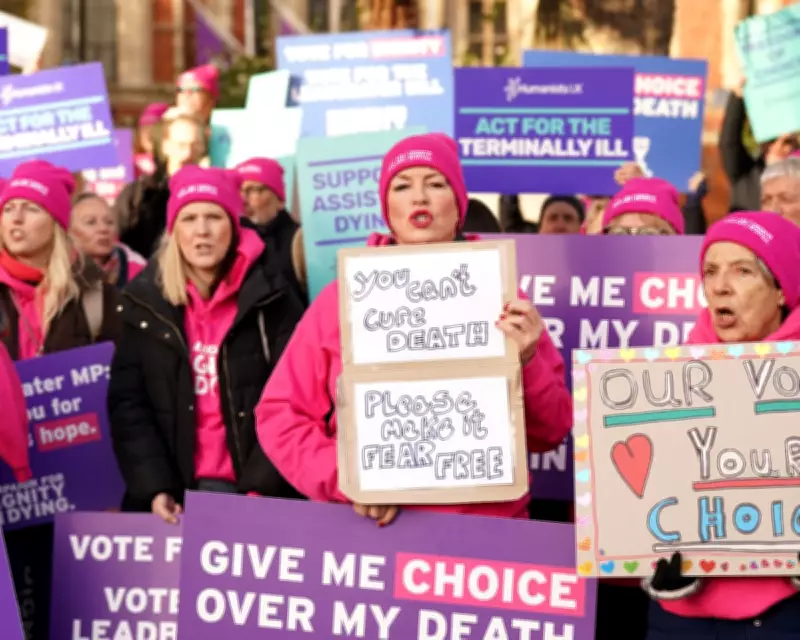
The bill, introduced by Lord Falconer, a former Lord Chancellor, seeks to allow adults with a terminal illness and less than six months to live to request medical assistance to end their lives, subject to strict safeguards. However, parliamentary business has been dominated by other issues, such as economic reforms and healthcare funding, pushing the assisted dying debate down the agenda. Proponents highlight that recent polls indicate a majority of the UK public supports assisted dying, with campaigns by organizations like Dignity in Dying gaining momentum. They emphasize that the delay is procedural rather than a reflection of declining interest, and they are lobbying for the bill to be prioritized in future parliamentary sessions.
Historical Context and Future Prospects
Assisted dying has been a contentious issue in the UK for decades, with previous bills failing to pass due to ethical, religious, and legal concerns. Lord Falconer's bill represents the latest attempt to reform the law, building on experiences from countries like Canada and the Netherlands where assisted dying is legal. Critics, including some medical professionals and religious groups, argue that it could undermine patient safety and the sanctity of life. Nonetheless, advocates point to cases of individuals suffering from terminal illnesses who seek the option of a dignified death. They are planning renewed advocacy efforts, including public demonstrations and targeted outreach to MPs and peers, to ensure the bill returns to Parliament for further consideration. The outcome remains uncertain, but the issue is likely to resurface as societal attitudes continue to evolve.




