
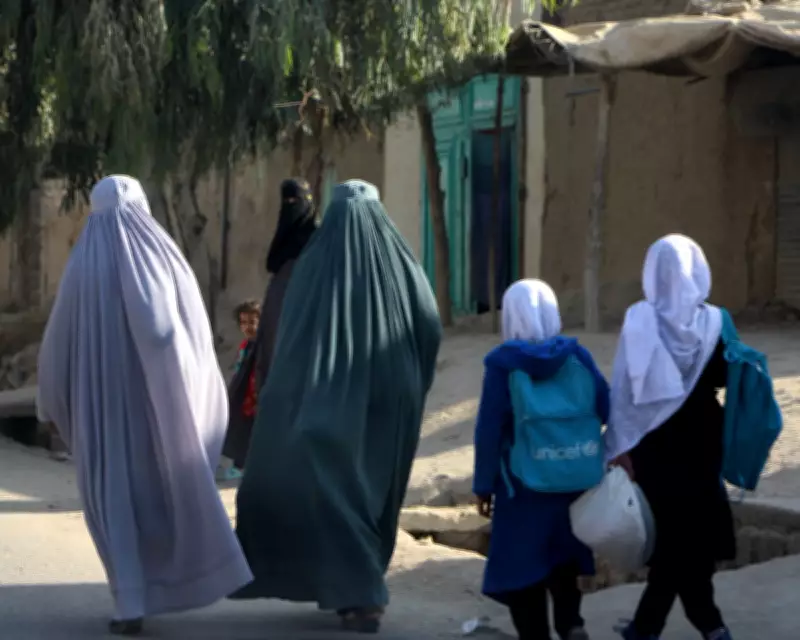
Afghan Women Navigate Severe Constraints Under Taliban Rule
In Afghanistan, women continue to face profound challenges, including severe restrictions on mobility, decision-making, and access to essential healthcare services. These constraints are particularly acute in rural and remote areas, where medical services and trained providers are scarce, exacerbating risks during pregnancy and childbirth.
Local Initiatives Offer a Glimmer of Hope
Despite the oppressive environment, not all news is bleak. DKT Afghanistan, a locally registered private-sector pharmaceutical organization, has managed to sustain and even expand access to family planning and maternal health services. By aligning with cultural and religious norms, the organization promotes family planning under the concept of "birth spacing," which resonates with community expectations and Islamic principles.
Operating through a network of more than 3,800 private outlets across 13 provinces, alongside clinics and community midwife networks in Kabul and Balkh, DKT Afghanistan reached nearly 70,000 patients in 2024. This included over 40,000 family planning clients, contributing to significant public health outcomes.
Tangible Impacts on Maternal Health
The efforts of DKT Afghanistan have yielded measurable results. In 2024 alone, these services helped avert an estimated 298,000 unintended pregnancies and more than 340 maternal deaths. These gains highlight the potential for progress, even in the face of severe rights violations and political instability.
While the broader context of women's rights in Afghanistan remains dire, with ongoing violations under Taliban rule, these pragmatic and culturally grounded approaches demonstrate that incremental improvements are possible. They offer a lifeline to women in need, saving lives in the short term as longer-term freedoms remain under threat.
The Importance of Sustained Engagement
Recognizing and supporting such effective initiatives is crucial, especially as international engagement wavers. Scaling these local efforts could further enhance access to healthcare and family planning, providing a beacon of hope for Afghan women amidst adversity. The work of organizations like DKT Afghanistan underscores the resilience of local solutions in challenging environments.




