Inmates locked in cells for 22 hours during record heat
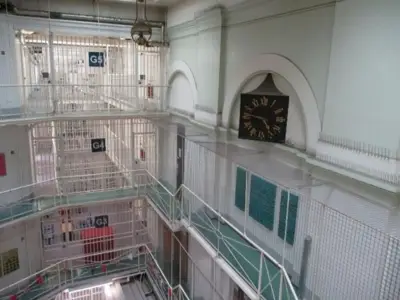
Prisoners in some of the UK's oldest prisons say they are being 'tortured, not punished' as they are locked in baking cells for 22 hours a day during a heatwave. At HMP Chelmsford, built in 1825, inmates were left on the brink of heat exhaustion as temperatures reached 36°C, the hottest June day on record.
A mother of an inmate told Metro that she dropped off cooler clothes for her son, but they did not reach him until after the heatwave because officers said it was 'too hot for the sniffer dogs to work'. Her son was only meant to be at the category B prison for 10 days after sentencing for breaching bail conditions, but has been there for six weeks with no sign of moving.
Conditions described as 'torture'
Category B prisons typically lock inmates in cells for more than 20 hours a day, often with a cellmate, causing sealed rooms to heat up quickly. The mother, who wished to remain anonymous, said: 'It's not punishment at this point. It's torture for them.' She added that inmates receive only an additional 330ml bottle of water per day, which they also use to clean themselves because showers only produce scalding hot water. 'They are just cooking. They are losing weight because the heat is making them sick. There is no ventilation.'

Prison Service response
A Prison Service spokesperson said: 'Prisons have measures in place to protect staff and prisoners during hot weather, and drinking water is readily available at all times.' However, a 2021 inspection report described HMP Chelmsford as being in a 'near state of collapse', with prisoners kept in cells for more than 22 hours a day. The report noted that staff often failed to respond to basic requests and showed limited empathy.
History of issues at HMP Chelmsford
The prison has faced ongoing problems. In October, prisoner Hadush Kebatu, serving 12 months for sexual assault, was released in error when he should have been deported, spending 48 hours at large before being apprehended. The mother stressed: 'I completely understand that people need to be punished and held accountable for their actions. But my son is not a violent criminal.'