
For people with disabilities, heatwaves are not just about discomfort—they are a matter of safety. While the wealthy can afford air conditioning, disabled and chronically ill individuals, often on low incomes or disability benefits, struggle to stay cool. The UK's record-high May temperatures highlight this inequality.
The Growing Threat of Heatwaves
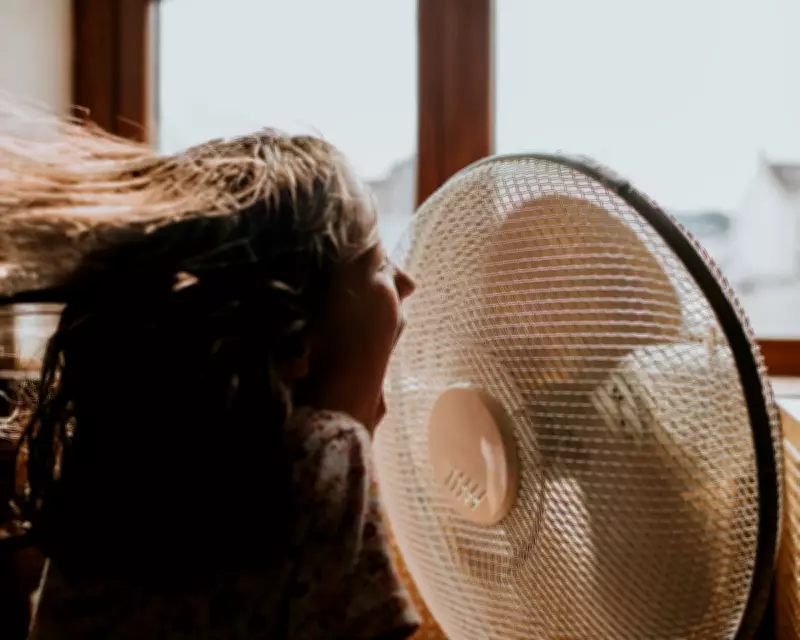
Frances Ryan, a Guardian columnist, shares her personal experience: after developing post-viral fatigue, heat now brings suffering rather than pleasure. She spends heatwaves in bed with fans, unable to afford AC. This is a reality for many disabled people.
Four million UK households now have AC, double the number three years ago. However, those who need it most—disabled people, the elderly, and low-income families—are least likely to have it. Portable AC units cost hundreds of pounds, out of reach for many on disability benefits. Renters, who are more likely to be disabled, cannot upgrade their homes.
The Cost of Cooling
The cost of AC has risen by up to 17% since last month, making it even less accessible. Vulnerable groups, including care home residents, hospital patients, and prisoners, depend on institutions that may not invest in cooling. In 2022, over 4,500 heat-related deaths occurred in the UK during a 40°C spike.
Short-Term and Long-Term Solutions
Immediate measures include installing AC in schools, care homes, and other vulnerable settings. 'Cool spaces'—public buildings with AC—should be introduced, similar to New York's model. However, AC is not sustainable long-term due to its environmental impact.
Britain needs to build homes designed for hotter weather, especially social housing. Minority ethnic groups, low-income households, and families with young children are most at risk from overheating. Addressing the climate crisis by reducing emissions and shifting to renewable energy is fundamental.
Political Implications
Extreme weather fuels populist anger. In the UK, Reform UK has attacked heat pump subsidies, and Tony Blair has spoken out against net zero. Politicians must act to prevent heatwaves from becoming a political weapon.
Ryan concludes: 'I have bought AC for my bedroom. I feel guilty and lucky. By the next heatwave, I will have a safe room. “The next heatwave.” It’s remarkable how quickly what was once unthinkable becomes the new normal.'




