Hartlepool Council Implements UK's First Memorial Bench Ban Following Overwhelming Numbers
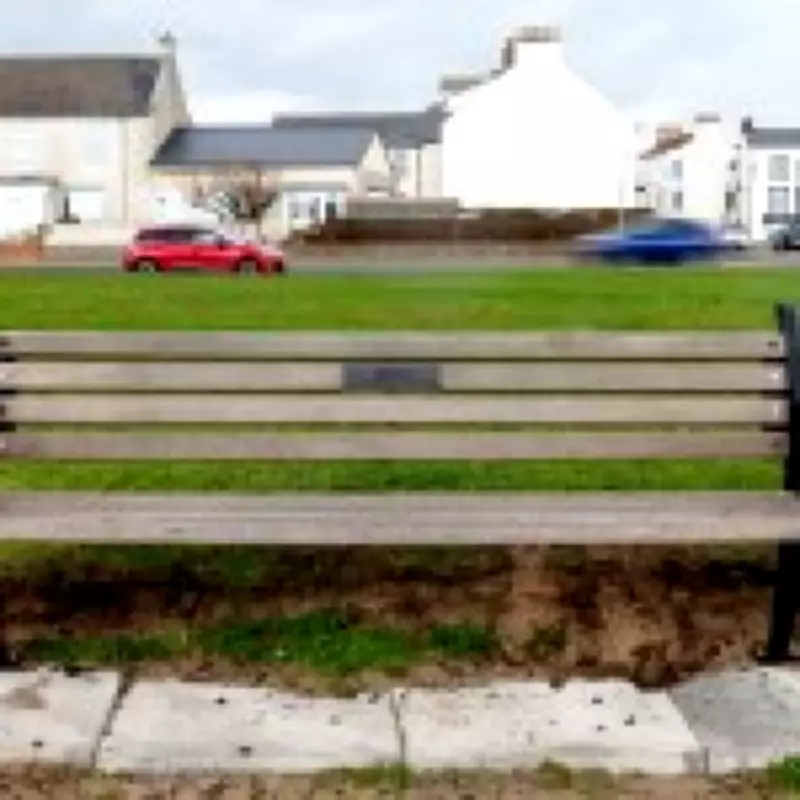
Hartlepool Borough Council has become the first local authority in the United Kingdom to prohibit new memorial benches, citing an overwhelming proliferation of 275 such tributes throughout the town. The Labour-run council made this decisive move after conducting a comprehensive audit that revealed the sheer volume of benches, particularly in areas like the Headland and Seaton Promenade.
Accessibility Concerns Prompt Drastic Action
The council's decision stems from numerous complaints lodged by residents who argue that the benches create significant obstructions for people with pushchairs and wheelchair users. Councillor Karen Oliver, Chair of the Housing, Growth and Communities Committee, emphasized that while the council understands the emotional importance of commemorating loved ones, practical concerns must take precedence.
'We acknowledge this is a very sensitive issue,' stated Councillor Oliver. 'However, concerns regarding the proliferation of memorial benches were voiced by several residents during public consultations, and our audit confirmed a significant number of benches causing accessibility problems.'
Alternative Commemoration Methods Proposed
In place of traditional bench memorials, the council has suggested that grieving families consider planting trees to honor their lost loved ones. This alternative approach aims to maintain commemorative opportunities while addressing the spatial and maintenance issues associated with benches.
The council's audit revealed specific concentration areas:
- The Headland: 115 memorial benches
- Seaton Promenade: 112 memorial benches
- Ward Jackson Park: 48 memorial benches
Community Reaction Divided
Local residents have expressed mixed reactions to the ban. Daniel Matthews, 40, whose family dedicated a bench to his grandmother, voiced disappointment: 'My mum and dad had a bench put up in memory of my nan, who loved to look out to sea. It was a nice place to sit and pay tribute to her. I don't think it's fair for the council to say Hartlepool has too many of these benches.'
Conversely, an anonymous mother highlighted practical difficulties: 'It's a pain to be honest, having to almost slalom the pushchair around all these benches when I'm taking my toddler out. Lots of these benches don't just have a plaque either - there are sometimes photos and flowers and teddies. They're becoming like graves rather than somewhere for people to sit on.'
Business Impact and Industry Perspective
The ban threatens the livelihood of local businesses specializing in memorial benches, including Teak Garden Furniture. Owner Karl Barowsky expressed frustration with the council's approach: 'Many councils operate waiting lists or limit new applications due to high demand for memorial benches. That demonstrates how important they continue to be to families.'
Barowsky argued that with proper guidelines and management, memorial benches could enhance public spaces rather than detract from them: 'When thoughtfully planned and positioned, memorial benches can sit comfortably within public spaces. They support reflection, wellbeing and everyday community use.'
Maintenance and Management Challenges
The council identified multiple practical issues beyond accessibility concerns. Many benches have fallen into disrepair, while others complicate routine maintenance tasks like litter removal, cleaning, and weeding paths due to their high density.
Councillor Oliver reassured residents that the council has no plans for mass bench removal, describing this as 'the beginning of a process to look at how this situation can best be addressed and, moving forward, managed appropriately.'
New applications for memorial benches have been paused indefinitely until 'suitable arrangements' can be established, marking a significant shift in how Hartlepool manages public commemorations while balancing accessibility needs with emotional considerations.