
From Teenage Dreams to Forced Marriage Nightmare
At 16, Payzee Malika was a typical South London teenager collecting Britney Spears posters and Goosebumps books while navigating her first year of college. Unlike her peers, she was simultaneously being forced into marriage with a man nearly twice her age, a reality that would shape her life in unimaginable ways.
A Childhood Stolen
Born in Iraqi Kurdistan before moving to the UK in 1999, Malika grew up in a strict Kurdish household where Western clothing, socializing with boys, and making personal choices were strictly forbidden. The family dynamic took a devastating turn when her parents announced they had accepted a marriage proposal from a 30-year-old man they knew through extended family connections.
"I kept wondering what I had done wrong to make my parents want to marry me off to a complete stranger," Malika recalls. "I was sad and felt so hopeless. That was the day my childhood vanished right before my eyes."
The Wedding No One Questioned
After just one supervised meeting in her parents' living room, where she was instructed to remain silent, wedding preparations began immediately. Despite confiding in friends and teachers about her impending marriage, no one intervened or questioned the arrangement.
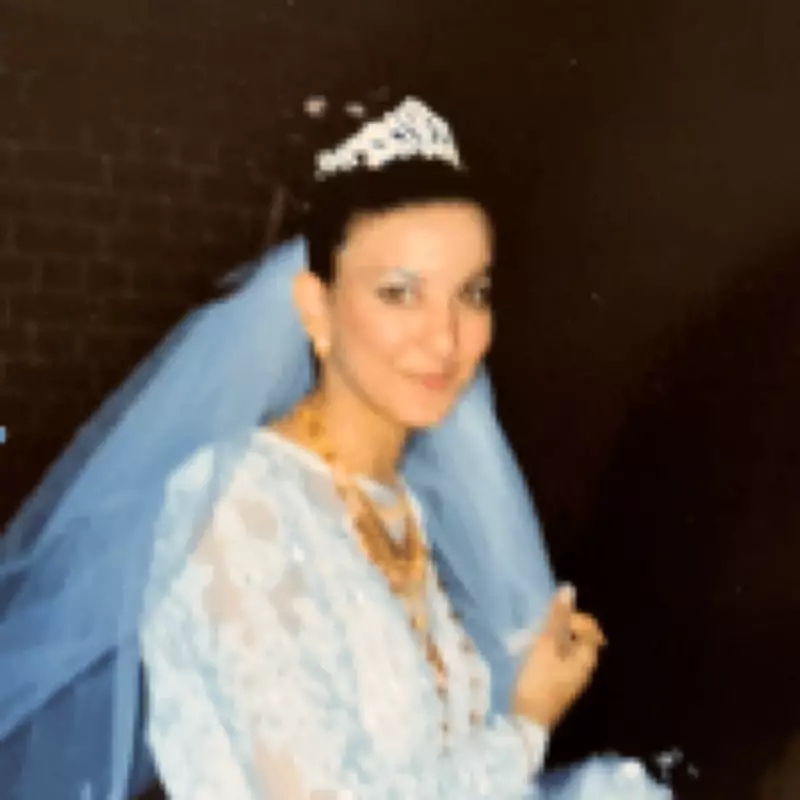
The wedding day itself was marked by profound dread as Malika wore a dress chosen for her and endured layers of makeup to marry a stranger before family and community members. "Surely someone could see this was wrong?" she remembers thinking. "I felt betrayed by everyone there."
Marital Prison and Personal Tragedy
The marriage plunged Malika into isolation and control. Her husband frequently prevented her from attending college, expecting her to cook, clean, and fulfill traditional wifely duties while being paraded before his friends. When she became pregnant months into the marriage, she sought an abortion despite intense family pressure to continue the pregnancy.
Her escape came only after the horrific murder of her sister Banaz in a so-called honor killing. Banaz, who had been coerced into marriage at 17, had left her abusive husband and found new love before being killed by family members who deemed her actions shameful.
"When I lost my sister, my husband would make threats that the same thing would happen to me," Malika reveals. "I knew then that I had to get out." She demanded a divorce from her parents and never saw her husband again, finalizing the divorce the month she turned 18 while simultaneously organizing her sister's funeral.
Transforming Trauma into Activism
Today, Malika channels her painful experiences into advocacy work with IKWRO, an organization dedicated to supporting Middle Eastern and North African women and girls at risk of honor-based abuse, child marriage, forced marriage, and FGM in the UK. The organization was instrumental in seeking justice for her sister's murder.
Her activism coincides with significant legal changes in England and Wales, where the marriage age has been raised from 16 to 18, with adults now facing potential imprisonment for facilitating underage marriages. The legislation passed without opposition in April 2022 represents a crucial step forward in protecting vulnerable young people.
Fractured Family Relationships
Malika's relationships with her family remain profoundly complicated. Her parents have never expressed regret for forcing her or her sister into marriage, and one sister remains in witness protection, unseen for 16 years. While her other sisters entered love marriages voluntarily, family dynamics have been permanently altered by tragedy.
"I often wonder how different life could have been if our lives were not hijacked by child marriage," Malika reflects. "That's why I fight every day, so girls like me and my sister Banaz are safe from this."
Her journey from child bride to activist underscores both the devastating consequences of forced marriage and the resilience of survivors determined to create change. Through her work with IKWRO and public advocacy, Malika continues to fight for a future where no child experiences the trauma she endured.




