Woman's 'Remarkable' Recovery from Three Deadly Diseases After Cell Therapy
A 47-year-old woman who suffered from three life-threatening autoimmune diseases for over a decade has returned to a near-normal life following a groundbreaking cell therapy that reset her wayward immune system. This marks a world-first achievement in medical science, offering hope for patients with similar conditions.
Decade-Long Struggle and Failed Treatments
The patient had endured nine different treatments, none of which provided lasting relief, before undergoing the innovative therapy at University Hospital Erlangen in Germany last year. At the time, her condition was so severe that she required daily blood transfusions and permanent blood thinning medication to manage her illnesses.
Swift and Striking Improvement
Within weeks of receiving the CAR T-cell therapy, doctors observed that all three diseases had responded, leading to a dramatic improvement in her health. For the past 14 months, she has been in treatment-free remission and largely able to resume normal daily activities.
Professor Fabian Müller, who led the medical team, described the speed and depth of her response as "remarkable" and noted that the therapy had "significantly improved her quality of life." He emphasized the need for clinical trials to determine the durability of the therapy and its potential effectiveness for other autoimmune diseases.
Understanding the Autoimmune Conditions
The woman was diagnosed with a rare, life-threatening blood disorder known as autoimmune haemolytic anaemia (AIHA), where rogue immune cells destroy red blood cells. During flare-ups, patients typically require immunosuppressant drugs and regular blood transfusions. In her case, standard treatments had ceased to be effective.
Professor Müller explained, "The patient had no treatment options left and would not have left the ward as she needed daily transfusions." In addition to AIHA, she suffered from immune thrombocytopenia (ITP), which increases bleeding risk by destroying platelets, and antiphospholipid syndrome (APS), which raises the risk of harmful blood clots. All three diseases were caused by malfunctioning B-cells that produce infection-fighting antibodies.
How CAR T-Cell Therapy Works
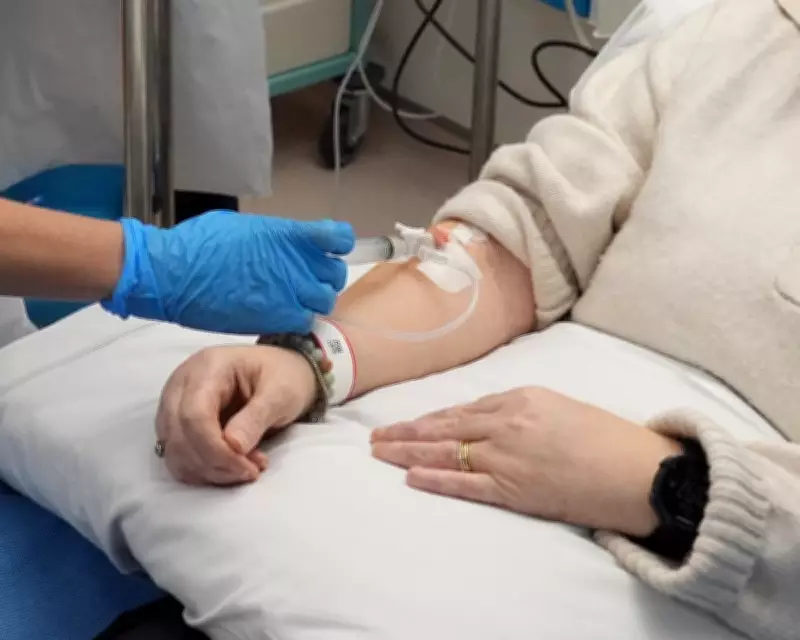
With no other options available, doctors offered CAR T-cell therapy, a treatment that has proven transformative for certain cancers. The process involved extracting the woman's white blood cells, isolating her T-cells—which patrol the body and eliminate infected or abnormal cells—and engineering them to recognize a protein called CD19 found on B-cells. These modified T-cells were then re-infused into the patient.
The therapy quickly targeted and destroyed the rogue B-cells. The woman received her last blood transfusion just one week after treatment and was strong enough for everyday activities two weeks later. Her immune system appeared to stop attacking her red blood cells, and her other autoimmune conditions improved. When her B-cells regenerated months later, they were healthy, suggesting the therapy had effectively reset her immune system. These findings are detailed in the journal Med.
Ongoing Monitoring and Future Prospects
While the woman still has a low white blood cell count and slightly elevated liver enzymes, researchers believe these issues are likely due to years of previous treatments rather than the CAR-T therapy itself.
Professor Ben Parker, a consultant rheumatologist at the Kellgren Centre for Rheumatology at Manchester University NHS Foundation Trust, commented on the case, stating it was encouraging that all the patient's conditions responded to the therapy. He noted, "The prolonged response off normal therapy suggests there has been an immune reset," though the long-term durability remains uncertain.
Professor Parker, who is leading CAR-T trials for lupus and related autoimmune conditions in Manchester, highlighted the broader implications: "There are many active trials currently recruiting across autoimmune conditions, including lupus, myositis, MS, systemic sclerosis, and vasculitis, with some already reporting early results. Case reports don't prove a treatment works for wider use, hence the need for trials."