Oncologist Exposes the Harsh Truth About 'Everything' Cancer Tests
In a world captivated by medical breakthroughs, the quest for a simple, all-encompassing cancer test has long been a tantalizing dream. However, Dr. Ranjana Srivastava, an experienced oncologist, delivers a sobering reality check: there is no blood test or total body scan that saves lives for healthy individuals. This revelation comes on the heels of a groundbreaking trial that has sent shockwaves through the medical community.
The Illusion of a Miracle Test
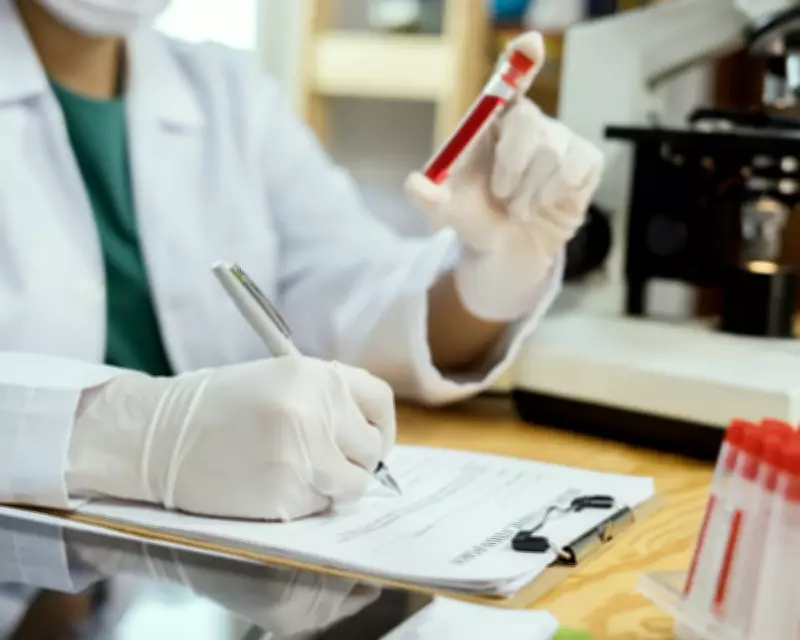
Dr. Srivastava recounts a common encounter at a social gathering, where her profession as an oncologist sparks curiosity and hope. "Can you suggest an 'everything' test for cancer?" a guest eagerly asks, reflecting widespread public desire for a quick fix. Her response is unequivocal: no such test exists. This conversation gains profound relevance with the recent failure of the Galleri blood test, developed by the American company Grail, which promised to detect over 50 cancer types through circulating DNA in the bloodstream.
Marketed as a screening tool for asymptomatic people, the Galleri test costs $949 and claims to predict cancer signals with easy-to-read results. Yet, despite bold advertising, including a Super Bowl ad, it lacks FDA approval and is now under intense scrutiny. The company partnered with Britain's NHS for the world's largest prospective randomized controlled trial, enrolling 142,000 healthy participants aged 50 to 77 between 2021 and 2023. The goal was straightforward: determine if early detection via blood test could reduce late-stage cancer diagnoses.
Trial Results: A Stunning Setback
The trial's primary endpoint—reducing stage 3 and 4 cancer diagnoses—was not met, a critical failure that has dominated headlines. Grail attempted to spin the results, highlighting a "substantial reduction in stage 4 cancer diagnoses" and increased detection of early-stage cancers. However, investors reacted harshly, causing the company's share price to plummet by nearly half, and now face potential class-action lawsuits. Dr. Srivastava emphasizes that finding more cancers does not equate to saving lives, a nuanced distinction often lost in public discourse.
She explains that detecting cancer at stage 3 instead of stage 4 may not lead to less burdensome treatment or improved survival rates. Moreover, identifying cancers at stages 1 or 2 can be misleading, as some may never become lethal, yet their discovery triggers unnecessary interventions. This conundrum is evident in elderly patients where incidental findings from scans lead to stressful treatments for conditions that might have remained harmless.
The Real Path to Cancer Prevention
While circulating DNA tests show promise in specific contexts, with Australian researchers leading advancements, Dr. Srivastava stresses that for now, healthy individuals should not rely on such technologies as life-savers. Instead, she advocates for evidence-based lifestyle modifications to reduce cancer risk:
- Reduce consumption of processed foods
- Curb alcohol intake
- Avoid smoking entirely
- Engage in regular physical exercise
These steps, though less glamorous than high-tech tests, have proven impact on public health. Dr. Srivastava, an award-winning author and Fulbright scholar, concludes that the focus should shift from elusive moonshots to practical, preventive measures. Her insights underscore a vital message in oncology: early detection must be paired with meaningful outcomes to truly benefit patients.