NHS England Enhances Bowel Cancer Screening Programme
In a significant development for public health, NHS England is implementing a crucial upgrade to its primary screening tool for bowel cancer. The faecal immunochemical test, commonly known as the Fit test, will undergo a substantial increase in sensitivity, a strategic move anticipated to save hundreds of lives across the country.
Increasing Test Sensitivity for Early Detection
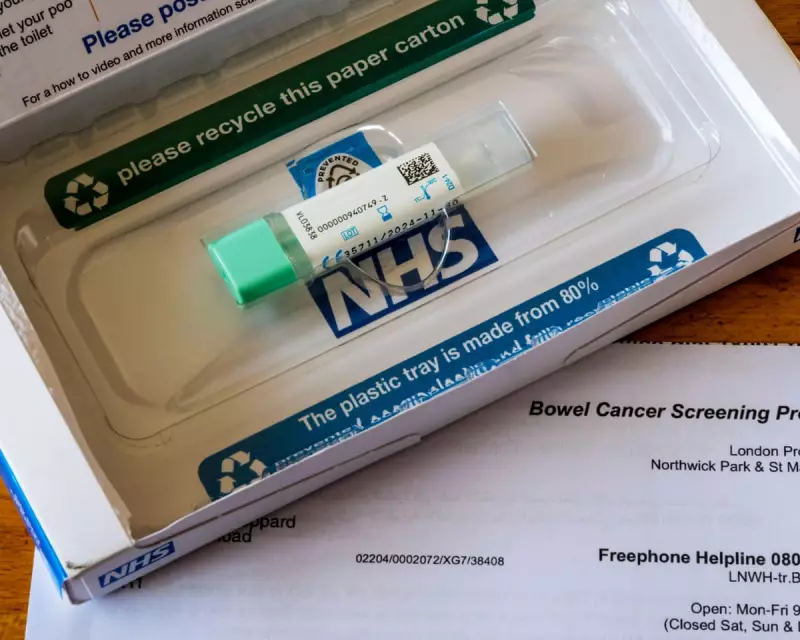
The faecal immunochemical test operates by detecting minute traces of blood within a patient's stool sample, which can serve as an early indicator of bowel cancer. NHS England is now lowering the threshold for the amount of blood required to trigger further investigation. Currently set at 120 micrograms of blood per gram of stool, this threshold will be reduced to 80 micrograms by the year 2028.
This adjustment brings England into alignment with the screening standards already established in Scotland and Wales, ensuring a more consistent approach to bowel cancer detection nationwide. Professor Peter Johnson, NHS England's national clinical director for cancer, emphasised the importance of this change, stating that it represents a major advancement in bowel cancer detection.
"Testing at a lower level threshold will now provide a better early warning system for bowel cancer, helping us to spot and treat cancers earlier, often picking up problems before symptoms occur," Professor Johnson explained.
Impact on Diagnosis and Treatment
The enhanced sensitivity of the Fit test is projected to have a profound impact on bowel cancer outcomes in England. NHS England estimates that this change will lead to the detection of an additional 600 bowel cancer cases each year, representing an 11% increase on top of the 5,320 cases currently identified annually through the existing test.
Furthermore, the implementation of this more sensitive testing threshold is expected to reduce late-stage diagnoses and deaths from bowel cancer by approximately 6%. This earlier detection and intervention will not only save lives but also generate significant cost savings for the health service, estimated at £32 million per year.
The increased detection rate will naturally result in a higher number of follow-up procedures. The NHS anticipates conducting 35% more colonoscopies, the diagnostic test offered to patients identified as being at risk of bowel cancer through the Fit test results.
Bowel Cancer Statistics and Prevention
Bowel cancer remains a significant health challenge in Britain, with approximately 44,100 people diagnosed annually and about 17,400 lives lost to the disease each year. This makes bowel cancer the second most common cause of cancer death in the country.
Research indicates that more than half of bowel cancer cases – specifically 54% – are preventable through lifestyle modifications. Key risk factors identified by Cancer Research UK include consumption of processed meats, being overweight, and alcohol consumption.
Screening Programme Evolution
The Fit test was integrated into the NHS's bowel cancer testing programme in 2019 as part of a home screening initiative. Eligible patients receive a test kit by post, which they complete with a small stool sample and return for laboratory analysis. The programme has demonstrated strong participation rates, with 68% of recipients returning their test kits during the 2023-24 period.
Recent expansions to the screening programme have further increased its reach. In 2024, the age eligibility criteria were expanded from 54-74 to include individuals aged 50-53. This widening of the age range has resulted in an additional 1.2 million people now receiving screening invitations.
Industry Response and Future Developments
Genevieve Edwards, Chief Executive of Bowel Cancer UK, welcomed the threshold reduction as "great news for people living in England" and described it as an important milestone for bowel cancer screening in the country. Her organisation had recently highlighted concerning statistics, revealing that 25% of bowel cancers are only diagnosed when patients present at Accident and Emergency departments with symptoms.
This enhancement to the bowel cancer screening programme will be formally outlined in the government's new national cancer plan, scheduled for launch on 4th February – a date recognised internationally as World Cancer Day. The move represents a significant step forward in England's ongoing efforts to improve cancer detection, treatment outcomes, and ultimately save lives through more effective screening methodologies.