London Mother's Breast Cancer Diagnosis at 37: A Journey Through Treatment and Menopause
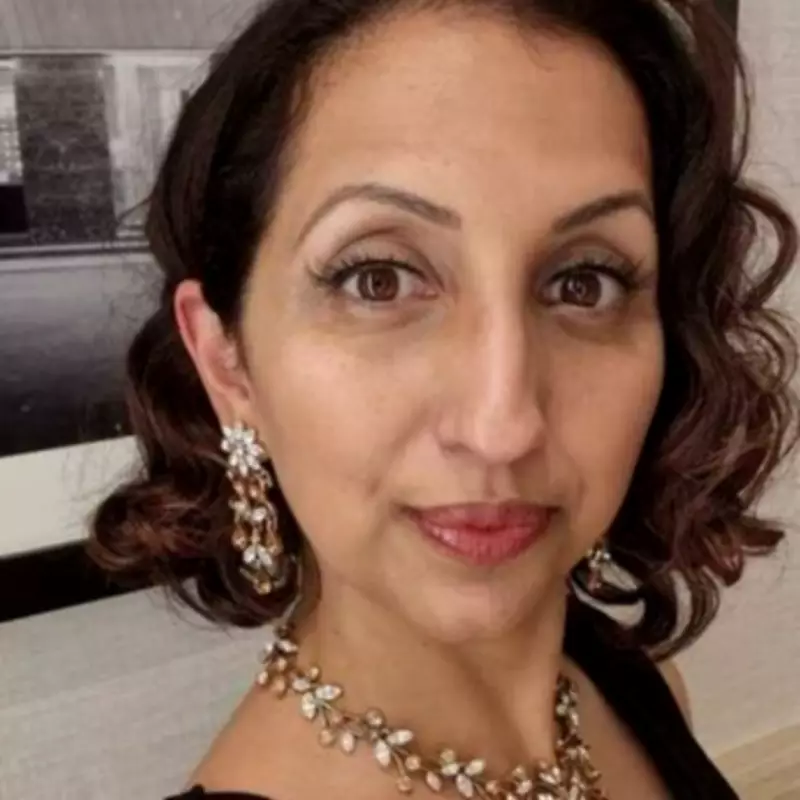
Anj Periyasamy, a 41-year-old London physiotherapist and mother-of-two, has shared her harrowing experience of being diagnosed with triple positive breast cancer at the age of 37, revealing that the medically-induced early menopause she endured has been "harder" than chemotherapy. Her story sheds light on the often-overlooked challenges young women face when battling hormone-fed cancers.
From Fatigue to Diagnosis: The Initial Symptoms
Looking back to March 2022, Anj recalled that before discovering a lump on the underside of her breast, her only symptom was feeling "knackered" – something she initially attributed to the demands of motherhood while caring for her daughters, Jasmin and Maya, who were five and two at the time. Despite thinking it was "probably nothing," a persistent unease led her to seek medical advice.
After a virtual GP appointment, Anj was encouraged to get an in-person examination at a clinic in central London. There, a breast surgeon agreed she was "too young" for breast cancer but still recommended precautionary tests including a mammogram, ultrasound, and biopsy. Within a week, an MRI confirmed her worst fears.
"I looked at the specialist square in the eye and asked: 'Is this sinister or not? Just tell me straight,'" Anj remembered. When the surgeon confirmed it could be cancer, her immediate thought was: "But it can't be. What about my children? I have to be around for my kids. They're so little."
Intensive Treatment and Medical Menopause
Over the next six months, Anj underwent an aggressive treatment regimen including:
- 16 rounds of chemotherapy
- A double mastectomy with breast reconstruction
- 15 rounds of radiotherapy
- 14 rounds of IV Herceptin (targeted antibody therapy)
- 6 rounds of IV bisphosphonates (bone-strengthening medication)
She also received monthly injections of Zoladex and Letrozole to lower her hormone levels, keeping her in medical menopause. After two years, she switched to Tamoxifen due to "horrid" side effects.
Beyond losing her hair, eyelashes, and eyebrows during chemotherapy, Anj experienced blackened fingernails, severe fatigue, and "chemo fog" that made her body "almost relearn everything again." However, she emphasizes that menopause symptoms proved even more debilitating.
The Hidden Struggle: Menopause Symptoms Without Relief
"Menopause sucks," Anj told PA Real Life. "It sucks big time. There's so many facets to it that nobody talks about." Her specific cancer type is hormone-fed, meaning she cannot use HRT to alleviate symptoms, which include:
- Night sweats and hot flushes
- Mood swings and "menopause rage"
- Low libido and sexual dysfunction
- Hair thinning
- Muscle aches and tendon pain
- Vaginal atrophy
"I cried in front of my oncologist," she confessed. "I was just like, 'This is unbearable and I just can't do this. I'm drenched half the time. My tendons are painful. It's affecting my mood.'"
Anj described how tendon pain prevented her from exercising properly, and how she would "look like a penguin" getting up after sitting for just 20 minutes. The sexual dysfunction and vaginal atrophy were particularly "demoralising," affecting intimacy with her husband, Damesh. She also expressed fear about osteoporosis risk, compounded by exercise limitations due to pain.
Family Impact and Raising Awareness
Anj's daughters noticed her symptoms, prompting difficult conversations. She turned to Breast Cancer Now, which provided a children's book called Mummy's Lump. After reading it alone and "having a cry," she spent a week preparing to share it with her children.
"My two-year-old Maya was just not fussed," Anj recalled. "I then read it to the older one, Jasmin, and she was like, 'Ok can I go and watch Barbie now?'" Later conversations addressed her "short hair era" and hospital absences. Jasmin's question – "Are you better now, mum?" – remains particularly challenging to answer.
Four years post-diagnosis, Anj's eyebrows haven't fully regrown, and menopause continues to affect her skin, but she's "living well." She's now sharing her story to increase visibility as a South Asian woman, noting: "There's not enough education out there, there's not enough awareness, and there's not enough people that look like me – young brown women."
Exhibition and Legacy
Through social media, Anj connected with Trekstock Cancer Support, initially planning to help as a physiotherapist creating exercise pathways for survivors. Instead, they invited her to participate in their photography exhibition "Are You Better Yet?" – a platform she calls "much needed" for raising awareness.
Reflecting on what she hopes her daughters learn from her journey, Anj said: "I want them to read about my story and not be scared. It's about being empowered and knowing how to get through a life crisis, then survive and thrive afterwards." Ultimately, she hopes they'll one day say: "I'm proud of you, mummy – you did it."