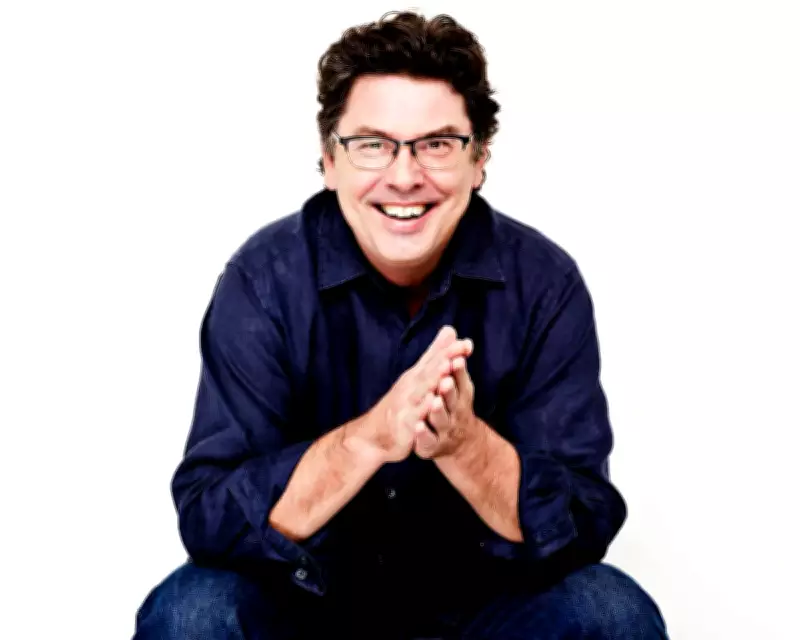
The beloved ABC broadcaster and saxophonist James Valentine passed away this week at age 64, choosing voluntary assisted dying (VAD) on his own terms at home surrounded by family. His wife Joanne and children Ruby and Roy stated: "Throughout his illness, James did it his way, which lasted all the way until the end. Both he and his family are grateful he was given the option to go out on his own terms."
Rising Demand but Persistent Barriers
As tributes flow for Valentine, advocates hope his loss will spur the federal government to address structural barriers preventing many Australians from accessing VAD. Although every Australian jurisdiction except the Northern Territory has legalized VAD—representing about 2% of all deaths or 5% of cancer deaths—applications rose 41% in 2024-2025 compared to the previous reporting period. However, four in 10 patients who started the process did not complete it.
Dr. Linda Swan, chief executive of Go Gentle Australia, said people are "dying waiting to get access to assisted dying" due to regulatory hurdles. "Stories like James's are incredibly powerful at helping the general community understand that voluntary assisted dying is a legal choice," she said. "He was in a very fortunate position of being well informed. Some people aren't. They can actually be denied access just because it takes too long to get through the process."
Telehealth Ban a Major Obstacle
Swan highlighted that Australia remains the only nation with Commonwealth legislation preventing telehealth use during the VAD process, a huge barrier especially for rural and remote patients. "It is so frustrating that we are struggling with this barrier when common sense says these are exactly the people that you should be helping to access care," she said. The VAD process typically takes two to five weeks, requiring assessments by two independent doctors and three separate requests.
Attorney General Michelle Rowland called VAD a "very sensitive and personal issue" and extended condolences to Valentine's family. She said the Albanese Government is considering complex issues arising from the interaction between Commonwealth legislation and state and territory VAD schemes in consultation with jurisdictions.
System Under Strain
Since 2019, 14,686 terminally ill people have sought VAD, with 7,082 dying using a VAD substance. In 2024-2025, there were 3,329 VAD deaths, a 48% increase on the previous year. A Go Gentle report found services are reaching an "inflection point" where demand will soon exceed capacity, citing process complexity, difficulty finding trained practitioners, and obstruction by faith-based aged care homes and hospitals.
Dr. Andrea Bendrups, president of Voluntary Assisted Dying Australia and New Zealand, said jurisdictions deliver "high-quality end-of-life care" but the system is under strain and cannot "rely indefinitely on the goodwill of practitioners." Without adequate remuneration, the system risks collapsing under unpaid labour and practitioner burnout.
Valentine's Final Wish
Speaking on ABC Radio Sydney, Roy Valentine said his father's cancer diagnosis was a "heavy time period" but also one of "pure joy with him and love" because they could spend time together and plan his final moments. Valentine intended his VAD choice to be publicized, which his daughter Ruby said was "really important" to him. "In his final moments, he was still concerned about making a difference," she said.