Itchy Skin Was First Sign of Deadly Cancer
For approximately one year, Georgie Swallow endured skin so intensely itchy that she would scratch until bleeding, yet never found relief. The relentless discomfort frequently disrupted her sleep, but she never suspected it might indicate a life-threatening condition. Concurrently, she experienced unexplained fatigue, weight loss, night sweats, and recurrent colds or flu symptoms.
The Shocking Diagnosis
Only after discovering a lump on her neck did Swallow consider the possibility of a serious illness. She also struggled to take full breaths, later learning this was due to a 30-centimeter tumor in her chest, which she had initially attributed to glandular fever. In September 2018, at age 26, she received a devastating phone call from her doctor: "You've got cancer."
The diagnosis was stage 4 Hodgkin Lymphoma affecting her neck, lung, chest, and area under the diaphragm. Her doctor emphasized the urgency, stating that a delay of just one week would have rendered treatment impossible. Swallow described the news as feeling "hit with a freight train," leaving her and her parents in stunned disbelief.
Immediate Treatment and Initial Recovery
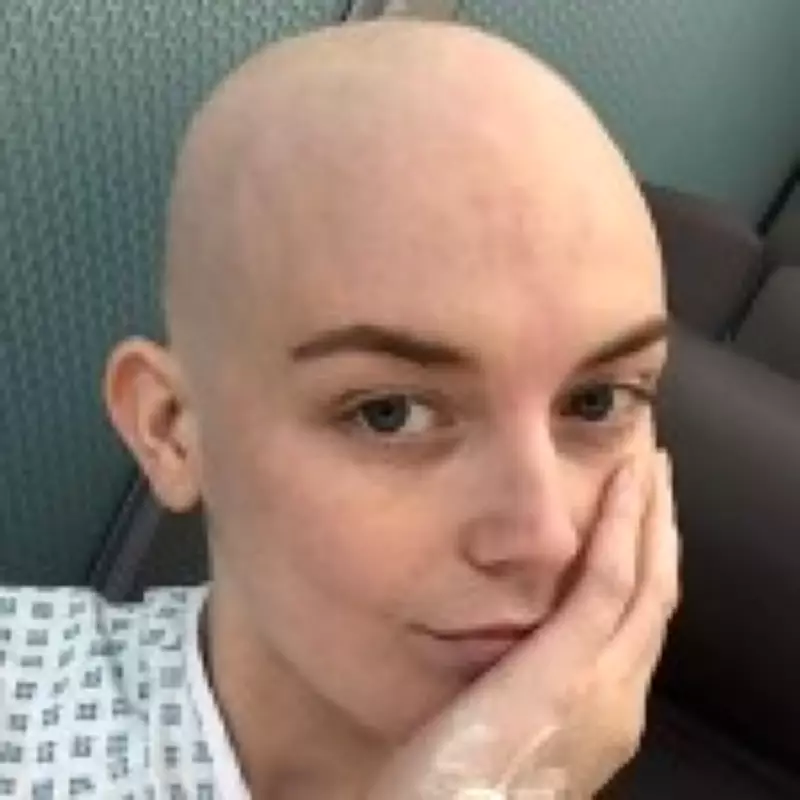
Within 24 hours of diagnosis, Swallow began chemotherapy. She maintained a remarkably positive attitude throughout her six-month treatment, organizing fundraising events, hosting "chemo parties," and embracing her baldness with humor when going out. Several months later, she received the all-clear and eagerly anticipated returning to normal life.
Why Itchy Skin Can Signal Lymphoma
According to Lymphoma Action, skin irritations like dry, sore, and itchy skin can indeed be lymphoma symptoms. Scientists believe itching may develop due to cytokines—proteins released by the immune system when fighting infections or illnesses like lymphoma. These cytokines potentially irritate skin nerves, causing itching. Typically, skin problems diminish once lymphoma treatment commences.
While itchy skin often isn't serious and may resolve within weeks with self-care, persistent issues warrant medical consultation.
Cancer Relapse and Stem Cell Transplant
In June 2019, during a routine check-up scan, Swallow and her parents received crushing news: the cancer had returned. Despite the shock, they kept a celebratory lunch reservation, adhering to her philosophy of enjoying life whenever possible.
The recurrence necessitated a stem cell transplant in October 2019, replacing damaged blood-forming cells with healthy ones. Swallow was hospitalized for nearly five weeks, unable to even step outside. This time, she lacked the energy to make the experience fun, and shaving her head again was emotionally fraught, particularly witnessing her mother's tears.
Menopause at 29 and Fertility Impact
Three months post-transplant, scans showed the cancer was gone, but the procedure reduced her chances of having children to approximately 0.1%. Swallow rationalized this, noting fertility was meaningless if she didn't survive. However, as she recovered, she grieved the children she'd never have.
The transplant induced menopause at age 29, which doctors hadn't adequately explained. Swallow initially thought she was having a mental breakdown, experiencing emotional volatility, severe anxiety, depression, night sweats, sore joints, and brain fog. A therapist eventually helped her understand these were menopausal symptoms.
She was prescribed estrogen via the pill, but had to discontinue it after suffering strokes, due to increased blood clot risks. At 32, she faced another wave of menopausal symptoms, feeling isolated as none of her friends were at this life stage.
Building a New Life After Cancer
After her transplant, Swallow returned to her executive assistant role but eventually left to focus on social media, where she'd been sharing her journey to help others feel less alone. She now has nearly 100,000 followers and has fostered a supportive community.
Inspired by her experience, she launched Life's for Living, a travel company organizing adventure trips for women facing health issues, divorce, mental health struggles, or body insecurities. The trips create powerful bonds among participants.
Swallow now cherishes time as precious, though she's learned to occasionally say "no" to avoid burnout. She emphasizes appreciating small daily pleasures, like lighting candles anytime, not just for special occasions.
When she reached five years cancer-free, she hosted a fundraiser for The Royal Marsden Hospital, though she celebrated anxiously while awaiting final clearance from an inconclusive scan. The relief upon confirmation was immense.
Understanding Hodgkin Lymphoma
Hodgkin Lymphoma is an uncommon cancer developing in the lymphatic system, affecting people of all ages but most commonly those aged 20-40 and over 75. Approximately 2,100 people are diagnosed annually in the UK. The most common symptom is a painless lymph node swelling in the neck, armpit, or groin.
About 80% of patients live at least five years post-diagnosis, with many cured, though long-term risks include infertility and increased likelihood of other cancers.
Swallow reflects that while she doesn't thank cancer for her transformation, it undeniably shaped who she is today—a survivor dedicated to living fully and supporting others through adversity.