Breast Reconstruction Delays: Women Still Waiting Years After Lockdown
At the height of the Covid-19 pandemic, hundreds of women with breast cancer underwent urgent mastectomies without the reconstructive surgery that typically accompanies such procedures. They were assured that reconstruction would follow once restrictions eased, but for many, that promise has become increasingly hollow as years pass without resolution.
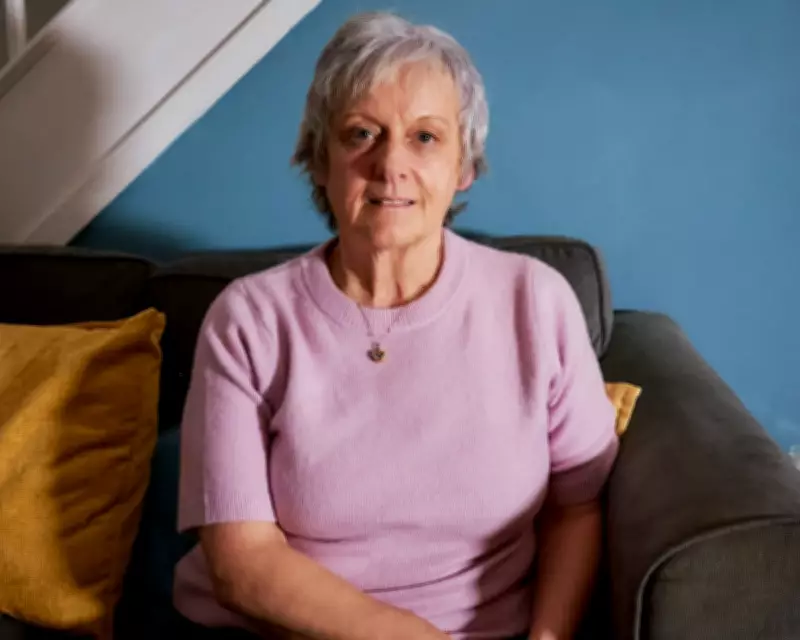
Julie Ford, a 62-year-old child social care support worker from Sheffield, exemplifies this ongoing struggle. In April 2021, she underwent a mastectomy to remove her right breast and lymph nodes, a procedure performed alone and under pandemic protocols. Discharged the same day with surgical drains, she faced recovery at home without the reconstruction she expected. Normally, mastectomy and reconstruction are done in one operation, but during Covid, complex reconstructions using abdominal tissue were deemed non-essential and paused by most NHS trusts.
Five years later, Julie remains on a waiting list, living with daily discomfort from a temporary implant that fused during radiotherapy, causing pain with every movement. "It's like it's superglued to the inside of my skin," she describes. The physical toll is compounded by emotional distress, as she feels self-conscious and isolated, unable to socialize or pursue relationships due to her altered body image.
Systemic Challenges and Postcode Lottery
The delay in breast reconstructions stems from a national shortage of specialist surgeons, limited theatre space, and the prioritization of new cancer cases. Simon Wood, an NHS consultant plastic surgeon and president-elect of the British Association of Plastic, Reconstructive and Aesthetic Surgeons, notes that many cancer survivors are "put to the bottom of the list" as active cancer patients and those at high genetic risk receive precedence.
A 2024 study revealed at least 2,200 patients across 40 NHS centres in England are waiting for breast reconstruction, with average waits of 2.5 years. Wood criticizes some trusts for slow progress, attributing delays to management inaction and incentives to focus on quicker surgeries to reduce overall waiting lists. "There are capacity issues, but to tackle it you need management that is bothered to find a solution," he asserts.
Personal Stories of Endurance
Alison Wilson, 63, from Stockport, Greater Manchester, had a mastectomy in April 2020 and faces a wait until September this year for reconstruction. She uses a prosthesis, which she finds uncomfortable and problematic during her work in airport security, where body scanners frequently flag it as an abnormality. "Every time I walk into work I have to worry about whether I'm going to have to speak to a stranger about my breasts," she shares, highlighting the constant reminders of her condition.
Alison's journey has been marred by administrative errors and personal loss, including the death of her husband, which complicated her ability to manage weight requirements for surgery. After finally being approved in February 2025, an error led to a restart of the process, extending her wait. Manchester University NHS Foundation Trust has apologized and implemented a new electronic referral system to prevent future mistakes.
Broader Impacts and Future Hopes
The pandemic's legacy continues to affect new patients, such as Rebecca Joselyn, 43, who had a mastectomy in December 2023 and may wait until 2027 for reconstruction. As a self-employed silversmith with a large bust size, she experiences extreme discomfort from her prosthetic and has seen her income and mental health suffer. "I can't move on from cancer while I look like this," she expresses, underscoring the emotional burden.
Data from Sheffield Teaching Hospitals NHS Foundation Trust shows significant delays, with 25 of 56 reconstruction patients waiting at least three years. The trust has acknowledged communication failures and is working to improve transparency and address backlogs. Louise Grimsdell of Breast Cancer Now calls for increased NHS capacity, including more trained specialists and theatre availability, to rectify these issues.
For Julie, hope persists as she received a surgery date for April, nearly five years post-mastectomy. "Every week for years I have waited for that call," she says, cautiously optimistic that her ordeal may soon end. These women's stories highlight a critical need for systemic change to ensure timely reconstructive care for all breast cancer survivors.