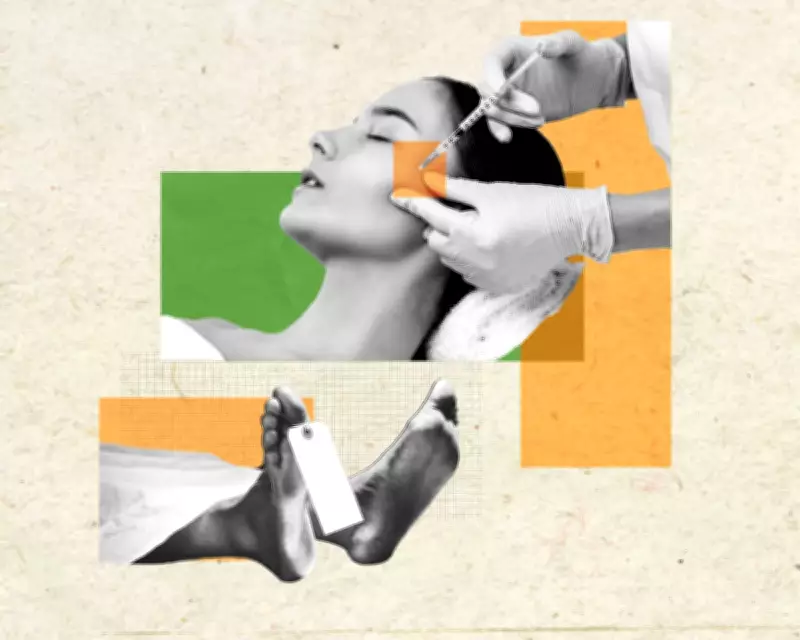
Some cosmetic and plastic surgeons in the United States are using donor adipose tissue from deceased individuals in filler products, a trend that has alarmed medical experts due to safety and ethical concerns. While not approved in Australia, the procedure, often promoted on social media as 'zombie filler,' is gaining attention.
What Is Zombie Filler?
Fat injections, or lipofilling, are a known cosmetic procedure where fat is taken from a patient's own body and injected into their face to add plumpness and reduce wrinkles. However, to reduce invasiveness and recovery time, some US surgeons are using donor fat from cadavers. Dr. David Sparks, a specialist plastic surgeon based in Queensland, expressed alarm after patients inquired about this trend. 'This is being presented as an established procedure, when the human clinical data is still very early,' he said.
Despite some Australians asking about the procedure in online forums and appointments, Sparks says it is not approved in Australia. 'Neither AlloClae nor Renuva, the two products available in the United States, are listed on the Australian Register of Therapeutic Goods,' he explained.

How Does the Body Respond to Donor Fat?
The procedure has only been available through a select group of US cosmetic surgeons since last year, meaning there is no long-term data on how the body responds. Dr. Deshan Sebaratnam, a dermatologist and associate professor at the University of New South Wales, emphasized the need for randomized controlled trials. 'I'd like to see more long-term data in terms of safety and effectiveness,' he said. Sparks noted a gap between online claims and evidence.
Safety Risks
Normally, transferring tissue from one person to another triggers immune rejection. However, Sparks says cadaver filler undergoes a process to prevent this. 'Donor fat is treated with a detergent solution that strips the cells of their DNA, leaving a protein scaffold,' he said. The patient's own fat cells gradually fill this scaffold. Dr. Lily Vrtik, president of the Australasian Society of Aesthetic Plastic Surgeons, warns of risks even after cleansing, including tissue rejection, disease transmission, infection, and graft failure. Sparks maintains that using a patient's own fat is safer.
Ethical Questions
While donor-derived tissue is used in other surgeries, such as rib cartilage allografts, Sebaratnam raises ethical concerns. 'Do the people donating their bodies know what it's going to be used for? It's one thing to sign up to be a kidney donor. It's another for grandma's body to be used to help boost someone's hot photos on Instagram.' Ivanka Prichard, a professor of body image and health at Flinders University, fears social media content normalizes such procedures, leading to body dissatisfaction and risks like disordered eating, body dysmorphia, depression, and appearance anxiety.