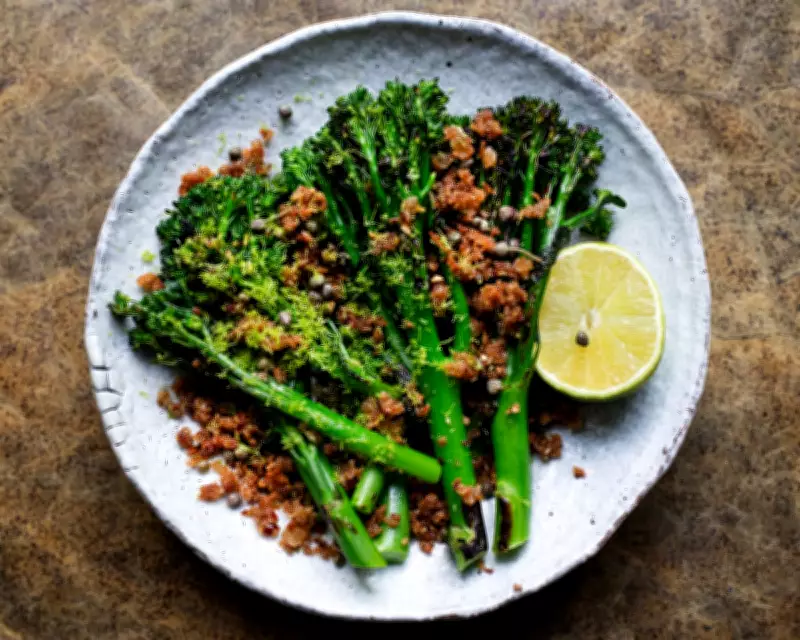
Understanding Iron Needs for Vegetarians
Many vegetarians worry about getting enough iron, but the key is often absorption rather than quantity. A recent study by Randox Health found that almost one in three women attending UK clinics have iron deficiency, highlighting the importance of this issue. Nutritionist Dominique Ludwig explains that heme iron from animal sources is better absorbed than non-heme iron found in plants. However, combining non-heme iron with vitamin C can significantly boost absorption. For example, adding peppers or tomatoes to tofu dishes enhances iron uptake.
Daily Iron Requirements
Women aged 19-49 should aim for 14.8mg of iron daily, while after menopause the requirement drops to 8.7mg, similar to men’s needs. Vegetarians need to focus on a variety of iron-rich foods: beans, lentils, nuts, seeds, soy products, and leafy greens. Tofu provides 3-5mg per 100g, cooked lentils 3-4mg, chickpeas 2.5-3mg, cashews 6-7mg, and sesame seeds 14-15mg. Layering these foods throughout the day is essential.
Practical Meal Ideas
Start the day with oats: a 40g serving gives 2mg iron, and adding milled flaxseed and berries provides vitamin C. A tofu scramble with kale and tomatoes on wholemeal bread can offer about 7mg iron. For vegetarians who eat eggs, each egg contains about 2mg iron. Try a frittata with cottage cheese, broccoli, and pumpkin seeds for a boost. Snacks like cashews, edamame, dried apricots, figs, prunes, and carrots with hummus also contribute.

Evening Meals
A stir-fry with greens like kale or broccoli, tofu or seitan, nuts, and brown rice is an ultra-fast dinner. Alternatively, add lentils to pasta with plenty of green vegetables. Consistency is key: by combining iron-rich plant foods with vitamin C sources and avoiding inhibitors like tea or dairy at the same meal, vegetarians can meet their iron needs effectively.