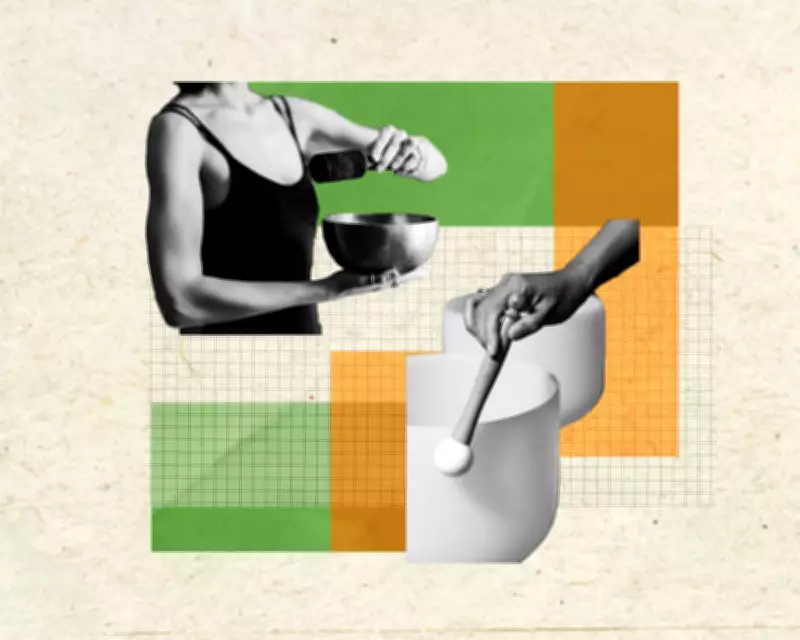
Listening to music communally in a sound bath can be a 'helpful, healthy thing', experts say. But there is no regulatory body for practitioners in Australia.
What Are Sound Baths?
Sound baths are a wellness trend where participants lie down while practitioners play instruments like singing bowls, gongs, and chimes. The goal is relaxation and nervous system soothing. Social media is full of clips showing people paying for these experiences, sometimes outdoors or in high-end wellness clubs.
The Claims
Marketing often says sound baths can 'soothe and calm your nervous system' with sounds that 'penetrate every cell in your body'. Specific frequencies are claimed to promote healing. Singing bowls are said to produce 'cosmic sound' that improves chronic symptoms like pain, fatigue, anxiety, or emotional overwhelm.

What Does Science Say?
Dr Vince Polito, a senior lecturer at Macquarie University, says it's plausible sound baths affect mood. A 2016 study found participants reported less tension, anger, and fatigue after a Tibetan singing bowl meditation, but it was observational without a control group. Another randomized controlled trial in breast cancer patients linked Tibetan sound meditation to improved cognitive function and mental health. However, mindfulness meditation itself is known to help with anxiety, depression, and insomnia.
Dr Sandra Garrido from the University of Sydney notes that the effects of sound on wellbeing depend on perception, not specific frequencies. 'Like anything in the wellness space, its benefits can definitely be talked up,' she says. Research shows breathing can synchronize with beats (rhythmic entrainment) and music induces emotions. Slower, calmer music aids relaxation, but focusing attention on any music can be meditative. 'It's not so much the music itself as focusing your attention on one thing and trying to quiet the mind,' Garrido explains. She adds that sound baths can be helpful as part of a general wellbeing practice but are not a miracle cure.
Sound Baths vs. Music Therapy
Music therapy is a registered profession in Australia, unlike sound bath practitioners. Dr Amanda Krause, president of the Australian Music and Psychology Society, says both listening to and producing music have over 500 benefits, including social, cognitive, physical, and emotional wellbeing. Focused music listening can amplify emotions and provide catharsis. Communal listening, as in sound baths, can be a healthy social activity. 'Historically, music has been about social connection,' Garrido says. 'It's only in the last 100 years that we've had the capacity to listen alone.'
Garrido herself has attended sound baths and finds them relaxing, but advises not to pay too much. 'I enjoy them, but I wouldn't pay too much money for it.'