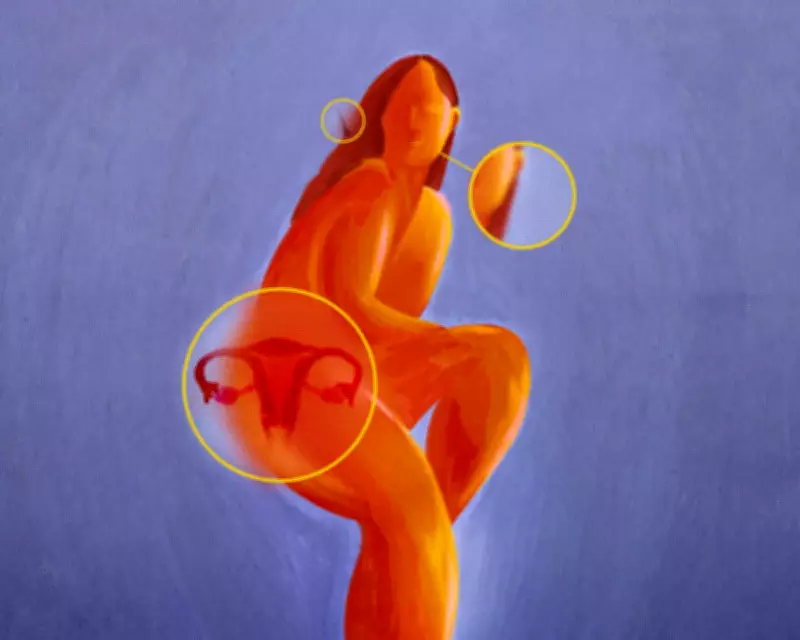
Polycystic ovary syndrome (PCOS) is being renamed polyendocrine metabolic ovarian syndrome (PMOS) to reflect the long-term, complex nature of the condition. The change aims to correct the misconception that it is solely a gynaecological disease that creates ovarian cysts.
What is PCOS/PMOS?
PCOS is a multifaceted condition that can affect women differently, with symptoms typically beginning in late adolescence. According to the NHS, these can include irregular or no periods, irregular ovulation, extra facial or body hair, acne, weight gain, and hair loss from the head. Prof Colin Duncan of the MRC Centre for Reproductive Health at the University of Edinburgh explains: "At different stages of your life you present in different ways." The original name derived from a common feature – polycystic ovaries – but is misleading. "It implies there are cysts in the ovaries," Duncan says, but that is not the case. The erroneous name likely arose when researchers first saw multiple small fluid-filled sacs, which are actually follicles containing eggs, not cysts.
What causes PCOS/PMOS?
The development of polycystic ovaries is associated with an overproduction of androgens by the ovaries. This overproduction is usually caused by an imbalance between follicle-stimulating hormone and luteinising hormone. Many people with PMOS are more resistant to insulin, leading to higher insulin levels that increase androgen production. "Increased androgens will also make you more insulin resistant," Duncan notes, creating a vicious cycle. Excess body weight can amplify the situation. PMOS can run in families, suggesting a genetic component. Stephen Franks, emeritus professor of reproductive endocrinology at Imperial College London, says: "Because it’s a complex hormonal disorder, it’s not surprising that it’s not a single gene, but that many genes are involved." Prenatal exposure to androgens may also play a role.

How is PCOS/PMOS diagnosed?
Diagnosis follows the Rotterdam Consensus, requiring two of three symptoms: biochemical or clinical signs of high androgens (e.g., excess facial hair or acne), irregular periods, and polycystic ovaries. Duncan notes: "It means you can have polycystic ovary syndrome without polycystic ovaries or without an irregular period."
How common is it?
According to the World Health Organization, PCOS affects an estimated 10% to 13% of women of reproductive age. It is more prevalent in south Asia and less so in northern Europe. However, about 70% of women with the condition are unaware they have it.
What does it mean for women’s health?
PCOS is a lifelong condition with varying impacts. Irregular ovulation can cause infertility, but the condition also increases risks of high cholesterol, endometrial cancer, type 2 diabetes, high blood pressure, and cardiovascular disease. It is associated with obesity, which exacerbates symptoms. Duncan explains: "Women with polycystic ovary syndrome burn off less calories in response to eating than other people, so they find gaining weight easier and losing weight more challenging." There is also a higher incidence of eating disorders, depression, and anxiety.
How can PCOS/PMOS be managed?
There is no cure. Management depends on the key issues: weight-loss strategies, fertility treatments, or prevention of diabetes and cardiovascular disease. Hormonal contraceptives can regulate periods and reduce androgen levels, while drugs can stimulate ovulation. New weight-loss medications show promise, with trials ongoing.
Why is PCOS being renamed?
The main reason is that the name is a misnomer. Not only can people have the condition without polycystic ovaries, but it also implies the disorder is solely ovarian. Duncan says: "It implies it’s all about the ovary, which it’s not." Franks adds: "It’s a disorder in the ovary, but there are other manifestations which are equally if not more important in terms of metabolic abnormalities." Surveys by Prof Helena Teede from Monash University showed that most health professionals and patients felt a change was needed.
What does PMOS mean?
The new name, polyendocrine metabolic ovarian syndrome, reflects the condition's long-term, complex nature as a hormonal disorder affecting reproductive and metabolic systems, associated with multiple health conditions.