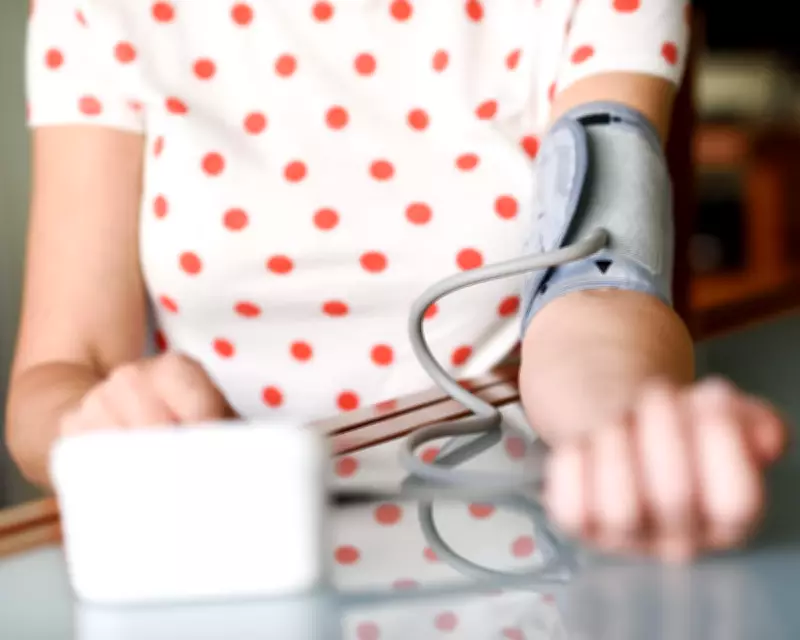
New mothers who experienced hypertension during pregnancy could significantly reduce their risk of heart attack, stroke, and even premature death by monitoring their blood pressure at home daily, according to new research.
Study Findings on Home Monitoring
The study, led by researchers at the University of Oxford, found that women who regularly checked their blood pressure at home in the weeks after giving birth and had their medication adjusted accordingly had better functioning arteries nine months later compared to those receiving standard care. The adjustment of medication based on daily readings led to less stiff arteries, an effect that researchers estimate could reduce the future risk of heart attack or stroke by 10%.
Professor Paul Leeson, a professor of cardiovascular medicine who led the study, emphasized the importance of the postpartum period. He stated that the weeks after birth provide a powerful and often overlooked opportunity to protect women's future health. He noted that by simply monitoring blood pressure at home, new mothers with hypertensive pregnancies can protect their bodies from future damage. He expressed hope that the work would pave the way for wider use of home monitoring so that more women could benefit.

Understanding Hypertensive Pregnancy
High blood pressure during pregnancy, in the form of gestational hypertension or pre-eclampsia (where there are signs of organ damage), affects 5-10% of pregnant women. This condition can damage the mother's organs and endanger the baby's life. Beyond the immediate threat, hypertension in pregnancy raises the risk of long-term problems. Women are three times more likely to develop high blood pressure and twice as likely to have heart disease later in life. One study by Harvard researchers found that high blood pressure in pregnancy was linked to a 42% increase in the risk of premature death.
Study Details and Methodology
The Oxford team recruited 220 women who developed hypertension during pregnancy. All participants were on blood pressure medication but were scheduled to reduce their dosage and eventually stop taking the drugs. In the study, 108 women received standard care, where their medication was reduced based on a few blood pressure checks in the eight weeks after giving birth. The remaining 112 women used a monitor to check their blood pressure at home each day. They plugged the readings into an app shared with doctors, who could change their medication day to day if needed, aiming for better blood pressure control.
The new approach, reported in the journal Hypertension, resulted in much better blood pressure control. Tests conducted six to nine months later showed that women in the home monitoring group had less stiff arteries. Stiff arteries are less effective at expanding and contracting, which can drive high blood pressure and ultimately lead to clot formation that blocks blood vessels, causing heart attacks and strokes.
Future Implications and Trials
Trials are now underway to find effective ways of rolling out blood pressure monitoring to women after hypertensive pregnancies. One option is for specialist NHS clinics to deliver this care. Dr. Sonya Babu-Narayan, clinical director at the British Heart Foundation, which funded the work, said the results highlight a crucial window after birth when paying close attention to blood pressure could help protect women's heart health for years to come. She expressed anticipation for results from larger studies with longer follow-up to see how this might save women's lives. She noted that research like this underscores the significance of the recently renewed women's health strategy, reflecting the importance of heart health advice and care at key points across a woman's life, from periods and pregnancy to menopause and beyond.