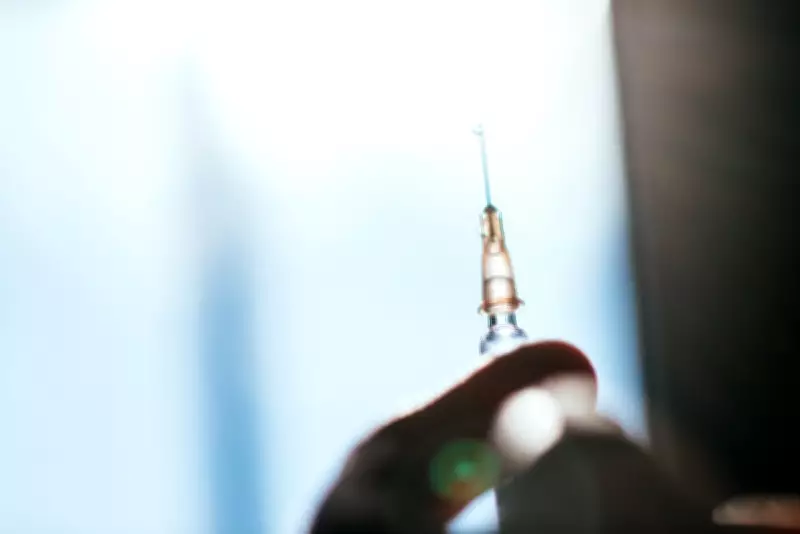
A new trend in cosmetic injectables is raising eyebrows: people are injecting fat from deceased donors to enhance their appearance. This procedure, sometimes called 'zombie filler,' is gaining popularity for its quick recovery and minimal downtime.
What Is Cadaver Fat Injection?
Surgeons use processed fat cells from cadavers, obtained through tissue banks, to fill areas like the buttocks, chest, or face. Dr. Douglas Steinbrech, a Manhattan plastic surgeon, calls it a 'gamechanger' because recipients avoid surgery and general anesthesia.
Ethical Concerns
The practice raises questions about donor consent. A 2012 NPR report found that tissue bank solicitors informed potential donors about cosmetic use only 29% of the time. Companies like Tiger Aesthetics and MTF Biologics claim their tissues are consented for aesthetic use, but critics remain wary.

Societal Anxieties
The trend highlights our discomfort with aging and mortality. The anti-aging industry is booming, and people seek procedures to maintain a youthful appearance. This pursuit of immortality ironically brings us back to death.
Capitalism and Beauty
The procedure caters to busy professionals who cannot afford downtime. Wealthy executives book early appointments to fit treatments into their schedules. This reflects a capitalist pressure to maintain physical perfection while remaining productive.
Intersection with Weight Loss Trends
The popularity of GLP-1 drugs like Ozempic has increased demand for cadaver fat injections. Rapid weight loss can leave hollow faces or flat buttocks, prompting users to restore volume. This creates a cycle of losing and regaining fat.
The Irony of Mortality
Ultimately, the biggest irony is that our fear of death drives us to use dead tissue. The real issue is not the use of cadavers but our rejection of natural aging and the commercialization of body insecurities.