
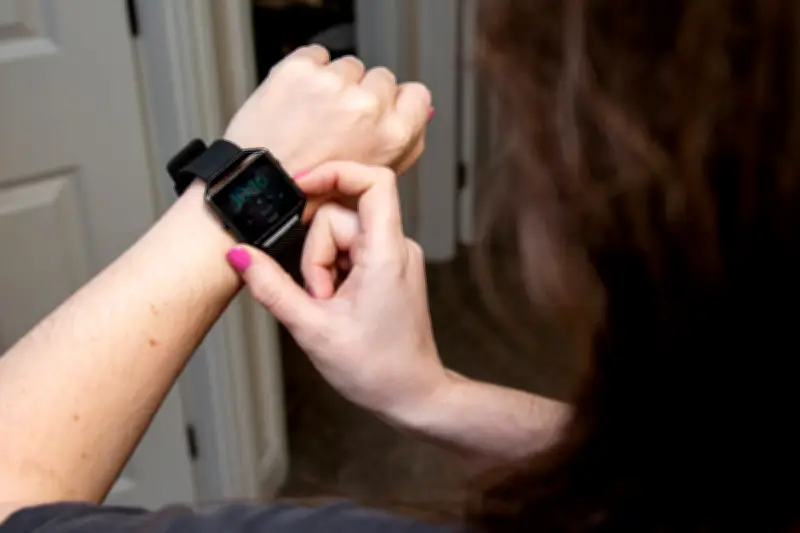
A recent study has found that more than 70% of wearable technology users ignore health alerts generated by their devices, significantly undermining the potential of these gadgets to improve health outcomes. The research, conducted by the University of California, Irvine, highlights a critical gap between the capabilities of wearable tech and user engagement.
Study Details and Key Findings
The study surveyed 1,000 participants who regularly use wearable devices such as smartwatches and fitness trackers. It found that only 28% of users take action when they receive health alerts, such as notifications about irregular heart rates, low blood oxygen levels, or high stress indicators. The remaining 72% either ignore the alerts or dismiss them without further investigation.
According to the lead researcher, Dr. Emily Chen, “The technology is there, but people are not using it effectively. Many users experience alert fatigue, where they become desensitized to constant notifications, leading to inaction.” The study also noted that younger users (ages 18-34) were more likely to ignore alerts compared to older users (ages 55+), who were more likely to consult a healthcare professional after receiving a warning.
Impact on Health Monitoring
The findings raise concerns about the effectiveness of wearable tech in preventive healthcare. Devices like the Apple Watch, Fitbit, and Samsung Galaxy Watch are increasingly marketed for their health monitoring features, including atrial fibrillation detection, fall detection, and sleep tracking. However, if users ignore these alerts, the devices fail to serve their intended purpose.
Dr. Chen emphasized, “Ignoring alerts can lead to missed opportunities for early intervention. For example, a warning about an irregular heartbeat could be a sign of a serious condition like atrial fibrillation, which, if left untreated, increases the risk of stroke.” The study also found that 15% of participants reported receiving alerts that they later regretted ignoring, including instances where medical attention was eventually required.
User Behavior and Recommendations
The study explored reasons behind the ignored alerts. Common factors included alert fatigue, mistrust in the accuracy of the device, and a lack of understanding of what the alert means. Many users also reported that alerts often come at inconvenient times, such as during work or sleep, leading to dismissal.
To address these issues, the researchers recommend that manufacturers improve the clarity and relevance of alerts, provide educational resources to help users interpret notifications, and allow for more personalized alert settings. Dr. Chen added, “Wearable tech has immense potential, but it needs to be paired with better user education and design to truly make a difference in public health.” The study concludes that without changes in user behavior and device design, the health benefits of wearable technology will remain largely untapped.




