Islington Council has welcomed the government's ban on pornography depicting strangulation, pointing to local evidence of the practice's "devastating real-life harm." The council's community safety lead highlighted that a new health service for victims of non-fatal strangulation has already seen 288 referrals.
National Ban Takes Effect in November
From November 6, possessing or publishing pornography showing choking or incest will be illegal across England and Wales. This follows the Crime and Policing Act 2026, which became law in April this year. The ban was introduced after a 2025 review into porn regulation found that videos of choking were "rife on mainstream platforms."
Cllr Heather Staff, Islington Council's Cabinet Lead for Community Safety, told the Local Democracy Reporting Service (LDRS) that the prohibition was "bold, albeit necessary." She added, "It has never been clearer that violence in pornography is linked to devastating real-life harm."
Local Service Sees High Demand
In July this year, Islington Council, along with more than 60 partner agencies including the police and the NHS, launched a new multi-agency clinical service. Billed as the UK's first specialist vascular pathway for victims of non-fatal strangulation and suffocation, the programme allows for rapid medical assessments. The council says clinicians have been able to detect resulting health issues from abuse that survivors were unlikely to identify themselves.
The West and North London Integrated Care Board (ICB) said non-fatal strangulation was "increasingly recognised as a serious public health and safeguarding issue," often linked to domestic abuse. Cllr Staff noted that the service has seen 288 referrals in the three years since it was first developed and piloted locally.
Review and Support for the Ban
The government's review concluded that pornography showing choking was helping to normalise the act among young people. It proposed that ministers make it illegal to possess or publish porn showing women being choked during sex. Conservative peer Baroness Bertin, who led the review, said online pornography contributed to some of the "gravest issues in our society, from domestic violence to toxic masculinity to the mental health crisis among young people."
Non-fatal strangulation has been recognised by the Home Office and the Crown Prosecution Service (CPS) as an indicator of domestic violence. A 2007 medical study concluded that the act was a "significant predictor for future lethal violence." The legislative changes were first announced in 2025 and won support from groups including the End Violence Against Women Coalition (EVAW) and the Institute for Addressing Strangulation.
Opposition from Sex Workers
Andrea Simon, Director of the EVAW, said at the time that there was "no such thing as safe strangulation." She added, "Women cannot consent to the long-term harm it can cause, including impaired cognitive functioning and memory. Its widespread portrayal in porn is fuelling dangerous behaviours, particularly among young people."
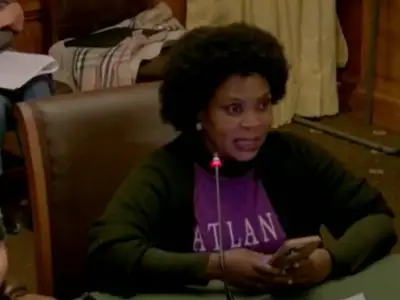
However, during the law-making process, the House of Commons heard from an independent sex worker who warned against further restrictions on legal pornography. The sex worker said, "The measures would lead to increased violence, poverty, homelessness, and fewer safety options for sex workers, as shown in other countries that have imposed these laws. It would ultimately result in the industry going further underground, creating more opportunities for illegal trafficking and exploitation."
The 2026 Act has also made it illegal to possess or publish pornographic images showing adults role-playing as children under 16.