
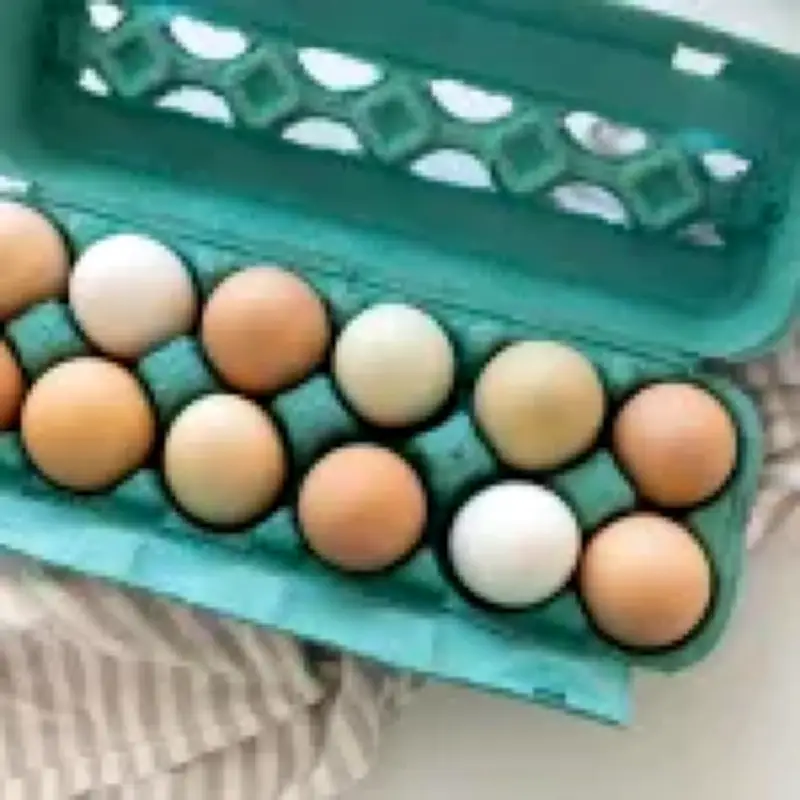
One person has died and 207 cases of salmonella have been reported across the UK, according to the UK Health Security Agency (UKHSA). The outbreak, which has raised concerns about egg safety, has led to hospitalisation for 38% of those affected. The UKHSA stated that the outbreak 'may be linked to eggs imported from outside of the UK', but confirmed that 'there is no identified link to UK-produced eggs or poultry.'
Outbreak Details and Regional Impact
The vast majority of cases have been reported in England, with 199 affected individuals. Scotland has recorded six cases, while Wales and Northern Ireland have one each. The UKHSA is investigating the source, but the confirmed death and high hospitalisation rate have prompted public health warnings.
Salmonella, a bacterial infection affecting the intestinal tract, causes symptoms including sickness, diarrhoea, high temperature, and general malaise. In rare cases, it can become serious, leading to bloodstream contamination, artery infection, inflammation, arthritis, and even death.
Expert Guidance on Egg Safety
Pharmacist Thorrun Govind advised that the outbreak does not mean people need to stop eating eggs. 'For vulnerable groups such as those who are pregnant, it is important to look for eggs that have the red British Lion stamp or are produced under the Laid in Britain scheme,' she said. The UKHSA has not identified any link to UK-produced eggs or poultry.
Govind emphasised the importance of good food hygiene. 'Salmonella is a bacteria so this really matters. Wash your hands after handling raw eggs and don't forget to clean work surfaces and utensils,' she explained. She also advised cooking eggs correctly, following time and temperature instructions, and keeping raw foods away from ready-to-eat foods.
Food Safety Recommendations
The Food Standards Agency (FSA) recommends several practices to reduce the risk of salmonella. Avoid cross-contamination by preventing bacteria from passing from raw foods to ready-to-eat foods via shopping bags, knives, and surfaces. Chill food below 5°C to stop or significantly slow bacterial growth. Consume food and drinks by the 'use by date' and check labels, as items may still contain bacteria even if they look or smell fine. Ensure food preparations are clean and wash hands regularly with soap and water before, during, and after meal preparation.
The UKHSA continues to monitor the situation, and public health officials urge vigilance in food handling and egg selection, particularly for vulnerable groups.




