Hezbollah has increasingly relied on low-cost, fiber-optic first-person-view (FPV) drones to challenge the Israeli military in south Lebanon, drawing inspiration from the Ukraine war. These drones, costing between $300 and $400 each, are manufactured locally using 3D printing and commercially available components. Unlike radio-controlled drones, they are connected to their operators via a kilometers-long fiber optic cable that cannot be jammed by electronic warfare defenses, making them a serious threat.
How the Drones Are Used
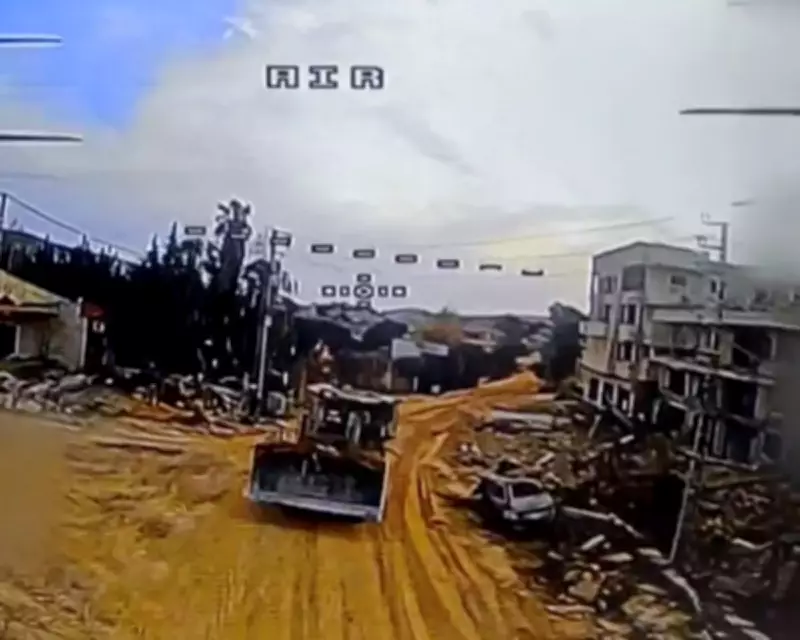
The drones have been deployed to target Israeli tanks, soldiers, and bulldozers. In one incident, a drone killed an Israeli soldier and injured six others near a tank. Hezbollah has also used them to evade the Trophy defense system on Merkava tanks. The drones allow operators to pilot them directly from video feeds and detonate on impact, proving effective in guerrilla warfare.
Adaptation to Supply Challenges
Following the disruption of the Syrian supply route after the fall of Bashar al-Assad in late 2024, Hezbollah shifted to local manufacturing. A Hezbollah source stated that the development is part of efforts to overcome supply challenges. The group now produces drones using 3D printing and adapted civilian electronics.

Impact on Israeli Defenses
Israel's Iron Dome system has struggled to intercept these small drones, forcing soldiers to shoot them down with service weapons. An Israeli military official acknowledged the threat and said research is underway to develop detection and interception capabilities. The drones' long range, estimated at dozens of kilometers, is forcing Israel to reconsider the depth of its buffer zone in south Lebanon.
Global Context and Propaganda
The use of fiber optic drones first emerged in the Ukraine war in late 2024 as an experimental response to radio jamming. Hezbollah has adopted similar tactics, including using multiple drones for confirmation of hits. FPV drone footage has become a propaganda tool, with videos showing soldiers' final moments. Hezbollah released a video titled "We Will Hunt You Down" combining drone footage with imagery of a golden eagle.
Retired Lebanese Brig Gen Mounir Shehadeh noted that in guerrilla warfare, the goal is attrition rather than quick victory. He stated that if used intelligently, FPV drones can alter the balance of power in asymmetric conflicts.