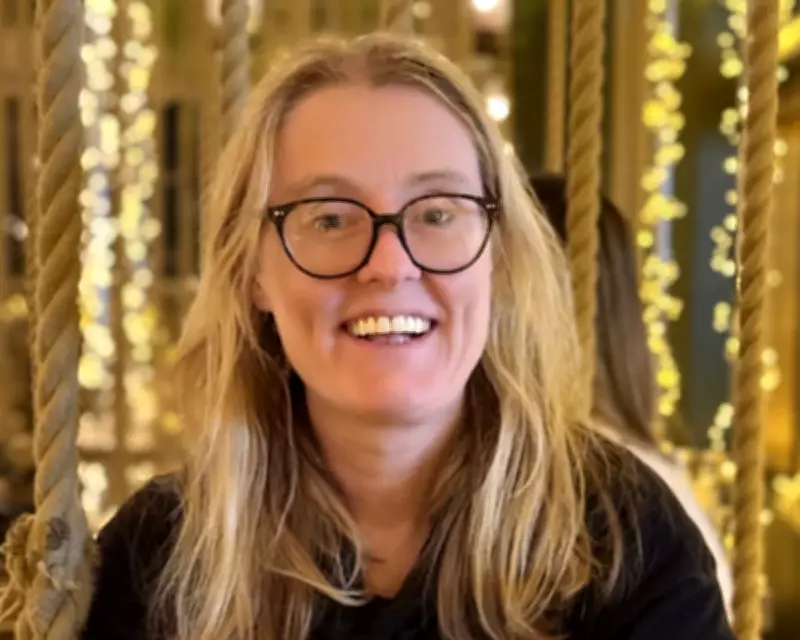
A family is calling for wholesale reform of the gambling industry after an inquest detailed the life and death of Ellen Mulvey, a “generous and caring” woman with a high-flying City job who also had a secret addiction. Mulvey, 44, was the managing director of a global financial recruitment firm based in London, but her chronic gambling addiction led to huge financial losses and deteriorating mental health.
Family's Grief and Anger
Mulvey’s partner, Deanne Tomkins, described her as someone who “always put other people first … it didn’t matter what she was going through.” Her sister, Katie Styring, called her “the most generous, caring, kind person.” Both expressed anger at the psychological damage wreaked by gambling, whether licensed or unlicensed. Tomkins said, “The impact of the harm they do is not being taken seriously enough. The system as a whole is not doing enough to protect people from the point of first exposure through to relapse.”
The Hidden Addiction
Family members believe Mulvey’s addiction began in 2018, based on bank statements. She lost hundreds of thousands of pounds gambling without their knowledge, first via mainstream operators and then on unlicensed platforms. Despite registering with Gamstop, the UK self-exclusion scheme, in 2022, she turned to unlicensed overseas sites. In her final weeks, she lost about £10,000. An inquest heard she wrote a note saying: “Addiction is the worst disease ever.”

Inquest Findings
The coroner, Elizabeth Wheeler, recorded a conclusion of suicide, noting that Mulvey was experiencing “gambling issues, financial issues and issues with a previous relationship.” Her death was in part due to gambling disorder. Clare Gerada, a leading addictions specialist, said the “guilt, shame and feelings of worthlessness” experienced by Mulvey were typical of someone with a gambling addiction.
Call for Change
Tomkins and Styring said gambling products are clearly designed to be addictive and that a public health response is needed. Tomkins added, “This can happen to anybody. Nobody is immune.” The family hopes their loss will spur reform to prevent future tragedies.