
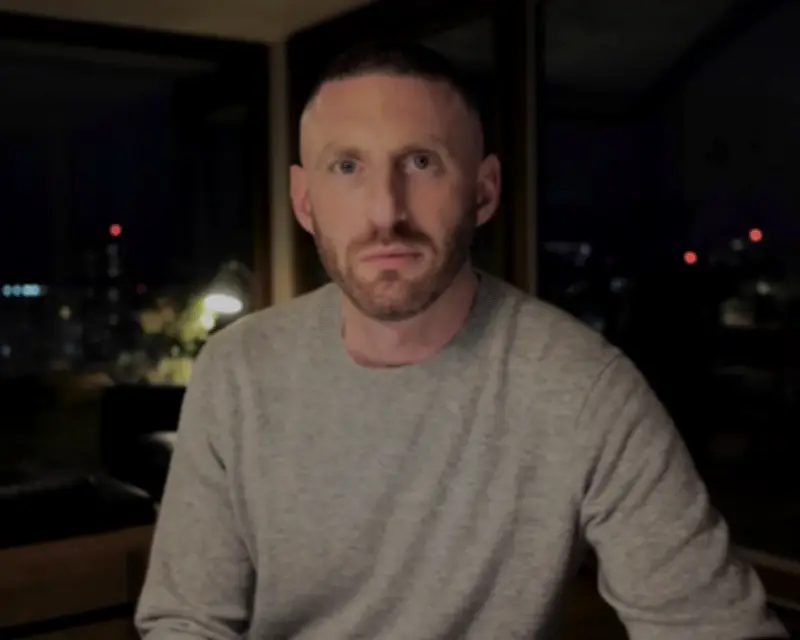
Professor Katya Rubia, a cognitive neuroscience professor at the Institute of Psychiatry, Psychology and Neuroscience at King's College London, has withdrawn her support for the Channel 4 documentary The Great ADHD Myth?, stating that the programme was biased and misrepresented her views. She warned that the documentary could lead to increased suicide risk by encouraging parents to take their children off medication.
Cherrypicked and Misrepresented Comments
Rubia said she agreed to participate in the documentary because she knew it aimed to portray ADHD as a myth and wanted to provide an alternative perspective. “But they cherrypicked, largely misrepresented, truncated and presented my comments out of context to make them fit into their narrative,” she said.
She described the programme as irresponsible, particularly at a time when mental health conditions are escalating and there is an urgent need for early diagnosis and treatment. “Biased programmes like this one that push their view of ADHD as a mythical entity are irresponsible and will have detrimental effects,” Rubia added.
Underdiagnosis and Medication Risks
Rubia noted that ADHD is largely underdiagnosed and undermedicated in the UK. She expressed concern that parents of children with ADHD might take their children off medication, as depicted in the programme, which could increase the risk of adverse outcomes. These include anxiety, depression, lower self-esteem, substance abuse, suicide, antisocial behaviour, poorer academic achievement, and reduced employment prospects later in life.
The documentary, presented by NHS psychiatrist Dr Max Pemberton, concluded that ADHD is a “social construct” rather than a medical condition. It argued that schools should adapt to support a wider range of children instead of medicating them to fit a restrictive norm.
Criticism of the Documentary's Experiment
Rubia criticised the documentary for filming the experience of 10-year-old Mason, who was taken off ADHD medication. She described the segment as providing only anecdotal evidence confounded by multiple factors. “The child was not only taken off medication, but also off screens, off additives and junk food, subjected to more nature experience and by implication to more interaction with family, friends and parents,” she said. She noted that this could lead to greater happiness and stronger family bonds for any child, not just those with ADHD, and that the placebo effect of being treated on TV was uncontrolled.
Rubia stated that research shows most children prefer to be on medication because it gives them better control over their emotions, leading to more friends and better relationships. She added that studies on nutrition, supplements, exercise, neurofeedback, cognitive training, and nature exposure show mostly non-significant or very small effects in children with ADHD, far inferior to the effects of medication.
Negative Portrayal of Medication
Rubia also criticised the documentary for its negative portrayal of medication. She cited substantial evidence that long-term use of ADHD medication is associated with benefits such as reduced rates of suicide, comorbidities, crime, traffic accidents, and substance abuse. “The side-effects are relatively minor and benefits are very large compared to other drugs in psychiatry,” she said. She noted that the programme made no mention of the potential negative consequences of Mason’s dropping school performance on his self-esteem and academic future.
A Channel 4 spokesperson responded: “We are satisfied that Katya Rubia’s contribution has been edited fairly, is an accurate representation of the interview she gave and that her consent was informed.” The spokesperson added that the film does not seek to provide answers from one family’s experience, but their experiences have opened up discussion about whether today’s world is equipped to accommodate ADHD behaviours and the ethics of medicating these, particularly in children when long-term effects remain unknown.
The spokesperson said the welfare of the boy and his family were of paramount importance. An independent doctor, his GP, and a health and safety company were consulted, and advice was taken from three independent psychiatrists on the medication break.
Other Experts Criticise the Programme
Professor Anita Thapar, a clinician scientist at Cardiff University’s school of medicine who chaired NHS England’s independent ADHD taskforce, also criticised the documentary. “It’s not a helpful argument to say ADHD is a ‘social construct’,” she said. “The programme did not use experts in clinical research on ADHD or consider all the risks of ADHD that have been shown. It seemed one-sided and used sensational language, such as likening medication to corporal punishment.”
A Channel 4 spokesperson said the channel has a remit to stimulate public debate and challenge the status quo. They added: “Not everyone will agree with everything included in the programme and we acknowledge the strength of feeling that this subject evokes, however there is considerable public debate in this area and testing conventional thinking and exploring different ideas.”
Professor Subodh Dave, president of the Royal College of Psychiatrists, also criticised the programme. “Invalidating the condition does a disservice to people with ADHD and professionals involved in their care,” he said.
Survey Results Show Stigma Concerns
A survey launched by the charity ADHD UK after the documentary aired on Tuesday has received more than 4,000 responses. More than 94% of respondents said the documentary increased stigma about ADHD, and the same proportion said it was not fair in its representation of ADHD as a condition. More than 85% said the programme “clearly suggested ADHD is not a real condition,” and 88% said it did not make clear that the sceptical views featured were minority views within medicine.
The Channel 4 spokesperson said the documentary hears from an extensive range of senior medical experts with a variance of views, including psychiatrists, psychologists, psychotherapists, and neuroscientists, many of whom work or have worked with the NHS or have held presidential roles at professional membership bodies. They added that there is considerable public debate on various aspects of ADHD, including prescribing medication and diagnostic procedures, and that it is not misleading to suggest these views exist. The spokesperson reiterated that Channel 4 has a remit to offer a platform for alternative views, stimulate public debate, and challenge the status quo.




