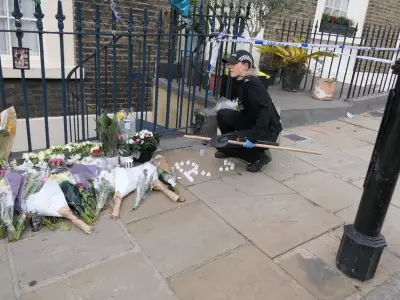
In 2024, a village in Hampshire woke up to a disturbing scene: a mound of about 20 dead animals, including rabbits, hares, pheasants, a fox, and a muntjac deer with its head severed, had been dumped outside a primary school. Blood oozed onto the streets before children arrived for classes. The community was dumbfounded, asking why.
Investigative team delves into illegal hare coursing
The husband-and-wife investigative journalist team Dan Ashby and Lucy Taylor, creators of the award-winning BBC podcast series Buried, began investigating. Their new 10-part podcast, Buried: Dead Rabbit, explores the world of illegal bloodsports, specifically hare coursing—where dogs hunt hares to kill them, banned in the UK since 2005. They uncover links to organized crime and violent characters terrorizing villages across the country.
They discover more mutilated animals: lambs strung up with their throats cut, 50 dead animals deposited at a farm shop with blood smeared on windows. While some speculated satanic activity, the likely connection is intimidation—threats from illegal hare hunters to instill fear in communities.

Chris Packham joins the investigation
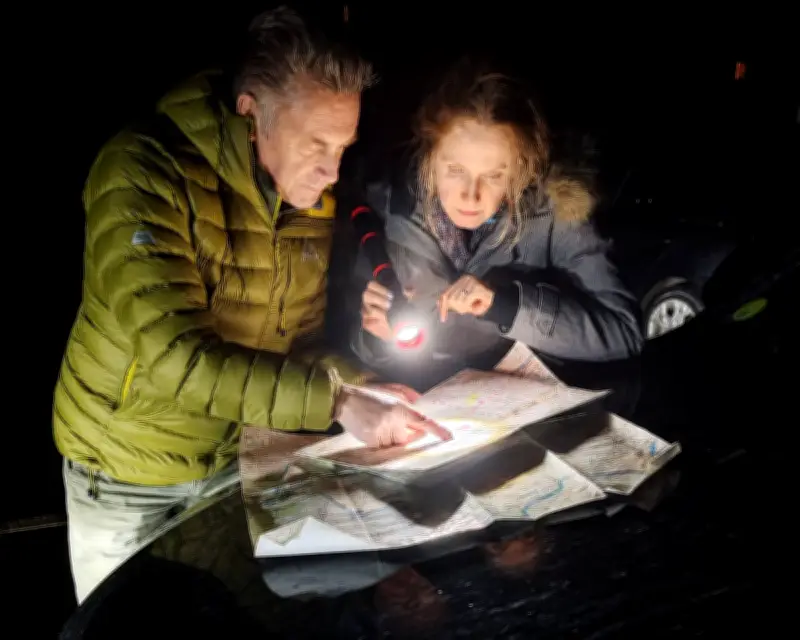
The team partners with wildlife presenter and activist Chris Packham, who has faced numerous attacks, including dead animals and human excrement left at his doorstep. In 2021, someone set fire to his car at his home. When asked about fears of reprisals, Packham said: “Well, they car-bombed my house—there’s not much more they can do. I’m always aggravated by injustice and if the truth needs to be told, then I need to be a conduit for that truth. I can’t entertain wilful blindness.” He added, “I love the thrill of the chase. I should have been a hunter. Hunting nefarious humans.”
Scale of illegal hare coursing revealed
The trio expose a grizzly underworld run by criminals, with elaborate and lucrative illegal hare coursing championships. People bet on them via the dark web from China to the US. Farmers who own the fields where events occur are targeted, threatened, and attacked. Taylor describes it as “Mafia-esque.” Over 8,500 incidents of illegal hare coursing were reported to police in the last three years. Some farmers have become suicidal due to relentless targeting. Packham says of the hunters: “They flagrantly don’t care. They’ve crossed that line where there is absolutely no regard for the law.”
Groups of balaclava-clad men in convoys of four-by-four vehicles break into farms and take over land. Police response is often slow or disinterested, leaving rural communities in fear. Those who challenge hunters have ended up in comas with broken legs and collapsed lungs, received rape threats, had bricks thrown through windows, and had their dogs kidnapped and skinned.
Big money and a trophy cup
Top dogs used in coursing are sold for £50,000. There is a mega competition with a trophy called the Super 8 cup. Ashby initially thought it was fake: “I thought the criminals were hyping it up, so I couldn’t believe it when I saw it. It was this massive cup with beautiful ornate dogs carved on it. It just struck me that, wow, this is a very organised competition in the underworld.” Taylor calls it “an emblem of the audacity of all of this. This isn’t something that’s hidden away in street corners. They’re out there and they’re proud—they don’t care.”
Shift toward organized crime
The investigation reveals a shifting demographic of hunters, with younger people from different backgrounds getting involved and flaunting on social media. Taylor notes: “People have this image of hare coursing as being quite quaint, this really old-fashioned country pursuit. But it’s getting much more associated with serious organised crime and violent people. It is a shift into something really dark and dangerous.” Damage to land and businesses is reported from Essex to North Yorkshire. Packham says: “Organised crime is perceived as a very urban thing. This is a revelation that it’s taking place in the countryside.”

There are concerns about police infiltration. Ashby reveals: “One police and crime commissioner told us that he fears they’re now inside the police. And that he’s noticed that a lot of their big operations against them seem to mysteriously never quite work. He said he thinks that the police should be looking much closer at the inside. It’s Line of Duty-esque.”
Broader societal implications
For Ashby, the series symbolizes the growth of organized crime in the UK and society’s relationship with nature. “We have a sense of British exceptionalism that something like the ivory trade is terrible and would never happen on these shores. But these are wide open spaces where there’s commercialisation of nature for a horrible means, which is ignored by society. It’s our job to remind people that these are incredibly urgent issues.” Buried: Dead Rabbit is available on BBC Sounds.