Hosepipe bans currently affecting several London postcodes have prompted urgent calls for gardeners to protect their plants without using a hosepipe. A standard hosepipe uses 170 litres of water every ten minutes, equivalent to 19 toilet flushes, making its restriction crucial during drought conditions. Those caught violating the ban face fines up to £1,000.
Harvest rainwater for chemical-free hydration
Collecting rainwater in a water butt attached to downpipes from your home, shed, or greenhouse is a sustainable solution. Although recent dry weather has limited collection, forecasted storms make now the perfect time to prepare. Rainwater contains fewer chemicals than tap water, making it gentler on plants.
Repurpose greywater from household use
Greywater—water from rinsing fruit and vegetables, washing up, or bathing—can be reused for plants as long as it contains no harsh detergents or bleach. This reduces overall water consumption and keeps plants hydrated.

Water intelligently with a watering can
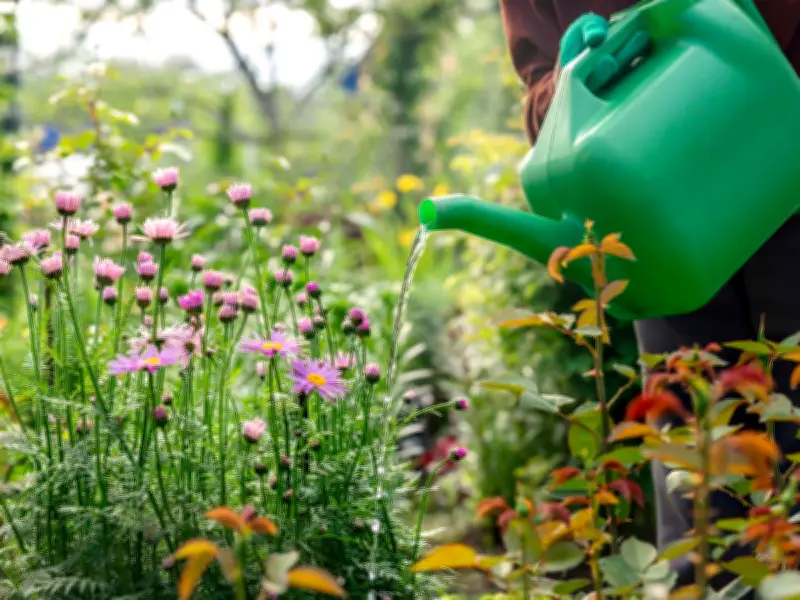
Using a watering can instead of a hosepipe allows better control over water consumption. The experts advise watering early in the morning or after sunset to reduce evaporation, and focusing on the roots rather than leaves to ensure moisture reaches where it's needed most.
Install an irrigation system if permitted
While full-pressure sprinklers are prohibited, many UK water providers allow drip or trickle irrigation systems, which can reduce water use by up to 70% while delivering moisture directly to roots. Check with your water supplier before installation. Alternatively, a watering globe slowly drip-feeds individual plants.
Mulch and protect soil to retain moisture
Adding mulch or compost around plant bases slows evaporation and helps soil retain moisture longer. Bark chips, wood shavings, or even cardboard can be used effectively as mulch, minimizing watering needs.
Focus on crucial plants first
Prioritize young or recently planted flowers, container plants, and crops requiring consistent moisture like fruit and vegetables. Plants in potting sheds or greenhouses should also be prioritized, as these spaces become extremely hot during a heatwave.