Wheelchair User's Ode to Dandelions: Nature's Unsung Heroes in Urban Cracks
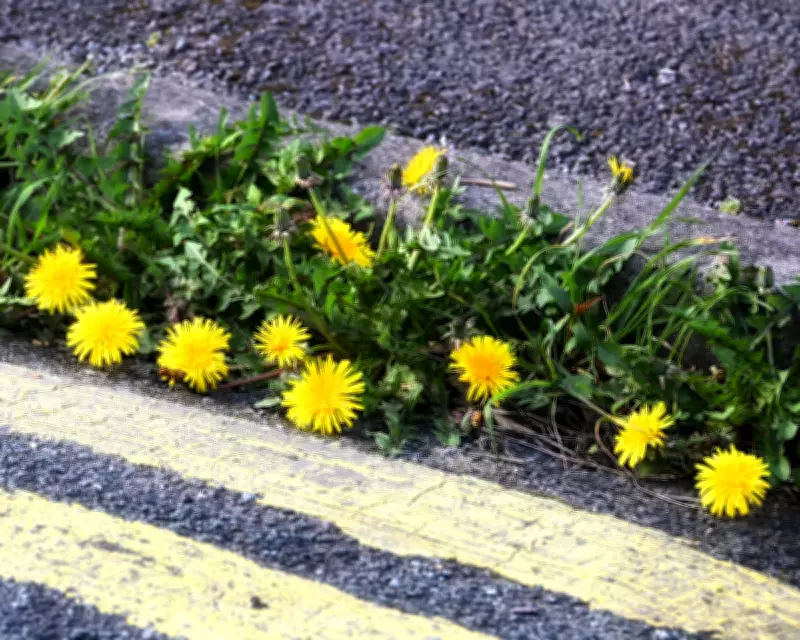
In the urban Midlands housing estate of Stoke-on-Trent, Staffordshire, the drier days of March bring the familiar hum of grass-cutting, a sound that signals the need to search gutters and pavements for a cherished spring sight. There, blooming defiantly in a crack beside a crumbling wall on a busy main road, a dandelion stands as a beacon of resilience. For one wheelchair user, this moment sparks an outburst of joy, leaning down to cradle its fierce lion head in eager fingers. Hello, dandelion, how I've missed you!
A Special Connection to the Ground
Perhaps it's being a wheelchair user, closer to the ground than most, that has fostered a deep affection for these often-overlooked flowers. Or maybe it's a sense of kinship, feeling like a weed oneself—inconvenient and growing in the wrong place. Regardless, this individual has long been kindred spirits with keen-eyed toddlers who clutch dandelions in their fists, even joking that a bridal bouquet of dandelions would be perfect. In their eyes, no finer flower exists, embodying nature's boundless generosity.
Nature's Generous Gift
Dandelions are pure sunshine, an instant tonic for grey days or low moods. At a time when other pollen sources are scarce, they open wide to offer a feast for every passing insect, serving as a vital bridge in the calendar until spring's full bloom arrives. Their nutritional value is remarkable, too; if we feasted on their roots, leaves, or flowers, we'd find them packed with nutrients, boasting more vitamin A than spinach and more vitamin C than tomatoes, pound for pound.

Ecological and Practical Wonders
Beyond beauty and nutrition, dandelions contribute to sustainability. Their thick roots, rich in a latex-like substance, are under trial as a more eco-friendly source of rubber for car and bicycle tires. They even provide a rudimentary weather forecast, closing their flowers tightly when rain approaches to protect pollen, like a reverse umbrella. When flowering ends, they transform into bright, white moons, and blowing them gleefully helps spread seeds—a fitting thank-you for all they give.
This heartfelt appreciation underscores the importance of noticing and cherishing the small wonders in our urban landscapes, reminding us that even in cracks and gutters, nature's generosity thrives.