
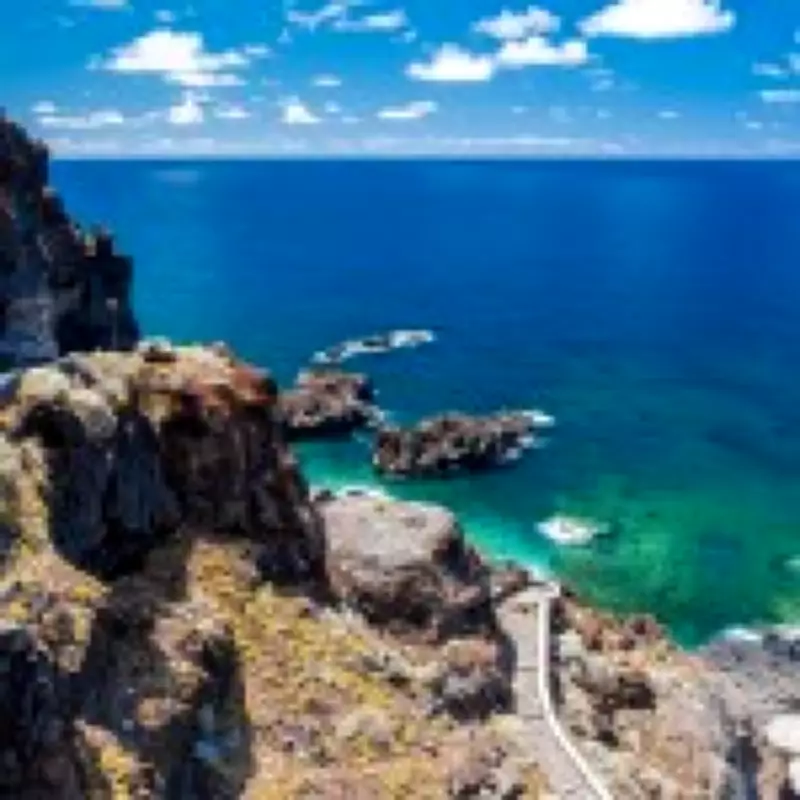
The enchanting Canary Islands have faced challenges recently. After welcoming a record-breaking 18.4 million tourists in 2025, the Spanish archipelago was placed on Fodor’s 2026 ‘no travel’ list. This annual selection advises travelers to avoid certain destinations not because they are unattractive, but due to overtourism and environmental damage. The list does not endorse a boycott; it encourages giving places like Tenerife, Gran Canaria, and Lanzarote a breather. To help you and the islands this summer, we explore some lesser-known spots.
La Gomera
A short journey from Tenerife lies La Gomera, an island worlds apart from its popular neighbor. Of the 3.83 million British tourists who visited the Canaries in 2025, only around 70,000 went to La Gomera. With sweeping coastlines, black sand beaches, and spectacular viewpoints, it offers a more authentic experience.
A Hiker’s Paradise
La Gomera is an island of adventure. Its impressive rock formations and ravines showcase its volcanic nature and make it perfect hiking territory. Its most famous landmark is La Garajonay National Park, a UNESCO World Heritage Site home to the best-preserved Laurel forests in the Canaries. Hike the steep trek to the Roque de Agando lookout for panoramic views; on a clear day, you can see Tenerife. Dedicated walking holidays are popular here. Chris Bladon, travel expert at sustainable tour operator Pura Aventura, runs week-long expeditions. Travelers start in the capital San Sebastián for tapas and tales of Christopher Columbus, who made the island his final stop before crossing the Atlantic in 1492. Then it is through Valle Gran Rey, one of La Gomera’s biggest gorges. For independent hikers, the ‘Old Royal Path’ offers lava cliffs and coves where La Gomera once exported wine and bananas to London. While walking, listen for the island’s ‘whistled language’ called Silbo Gomero, used by farmers to communicate across the steep gorges.
Culinary Heaven
All that walking requires fuel. La Gomera is a culinary paradise. Nicky Evans from Polarsteps, whose husband is from the Canaries, recommends the local fishers’ cooperatives for fresh fish. ‘They’re usually basic and busy, you can’t book, and service can be abrupt, but the prices are low and the quality is superb,’ she says. Nicky suggests the one next to Playa de Vueltas. For an island-specific dish, try ‘almogrote’, a garlicky goat’s cheese spread, at Amparo Las Hayas, a family-run restaurant in Las Hayas village, near Garajonay National Park. Alternatively, Restaurante La Cuevita, built into a cave next to Playa de Santiago, serves fresh seafood.
Beaches with a Twist
La Gomera is not known for sunbathing beaches but offers a stunning coastline with secluded spots. Playa de la Caleta near Hermigua has a scenic pebbly cove surrounded by dramatic cliffs. Playa de Vueltas is sheltered with calm waters, popular for swimming. Playa de la Calera is the island’s largest beach, with black sand and calm snorkeling conditions.
How to Get to La Gomera and Where to Stay
La Gomera is not the easiest island to reach. The most affordable route is to fly to Tenerife and take a ferry. On July 5, Ryanair flies from London Stansted to Tenerife South for £32 (4.5 hours). La Gomera has an airport but no direct flights from the UK; you must stop in Gran Canaria or Tenerife. From Tenerife’s Los Cristianos, a 50-minute ferry to La Gomera costs around £44 one-way, with up to 6-8 sailings daily. British Airways Holidays offers seven nights at the 4-star Jardin Tecina from £799pp, or the 4-star Bancal Hotel & Spa from £849pp, both including breakfast, traveling from London Gatwick between July 1-31, 2026.
El Hierro
El Hierro is the smallest and most low-key Canary Island. In 2024, seven million people visited Tenerife, but just 26,000 made it to El Hierro, making it the least-visited. A designated UNESCO Biosphere Reserve, the island trades glossy resorts for lava fields and natural pools carved by ancient eruptions. Tim Hentschel, CEO of HotelPlanner, says El Hierro’s ‘vast landscapes take you back to a time before overcrowding and commercialisation.’
Steeped in History
You cannot visit El Hierro without seeing Valverde, says Tim. Sitting high in the hills, it offers cobbled streets with sweeping ocean views, small cafés, and family-run shops. Valverde dates back to the 15th century and is a historic and religious center. Main attractions include the 18th-century church of Santa María de la Concepción, housing a period carving of a local saint. Traditional music and folklore remain central, especially during local fiestas. The Bajada de la Virgen de los Reyes, a centuries-old procession every four years (last in 2025), unites communities from coast to highlands.
Beaches with a Twist
If you seek golden sands, El Hierro may not be for you. But for adventurers, it ticks all boxes. In summer, with 3,000 hours of sunshine annually, head to the natural pools of Tamaduste for calm, crystal-clear bathing. You can sunbathe on sundecks or try water sports like diving or paddleboarding. In La Restinga, a tiny fishing village on the southern tip, a legendary marine reserve is a haven for underwater enthusiasts, featuring volcanic seascapes, rays, and schools of fish.
How to Get to El Hierro and Where to Stay
Fly into Tenerife South and take a ferry from Los Cristianos to El Hierro (2 hours 20 minutes, around £46). During summer, there are about 10 sailings per week. The eco-certified Parador de El Hierro has rooms in July from £54 per night, nestled between a volcanic mountain and the ocean. For a more luxurious stay, Villa Vista offers a private villa with sea views and a hot tub, starting from £401 per night for up to three guests.




