
Dartmoor's Spring Herald: The Wheatear's Return Signals New Season
The first signs of spring break through the shadows of Haytor Rocks, a granite sentinel guarding Dartmoor's natural mysteries. As the sun warms the ancient stone, bumblebees hum over the gorse, and after months of drizzly rain, the moor feels liberating once more. Trees stir from their winter slumber, with blackthorn and willow emerging early as stalwarts of Emsworthy Mire, an old friend to the landscape.
Early Migrants and Moorland Wonders
With binoculars pressed firmly to my eyes, I scan the valley for any hint of returning migrants. Mid-March is too soon for some species, but the more proactive ones eagerly kick off the season. Overhead, a raven's cronk echoes, a sound that is both welcoming and slightly unnerving, adding to the wild atmosphere of the moor.
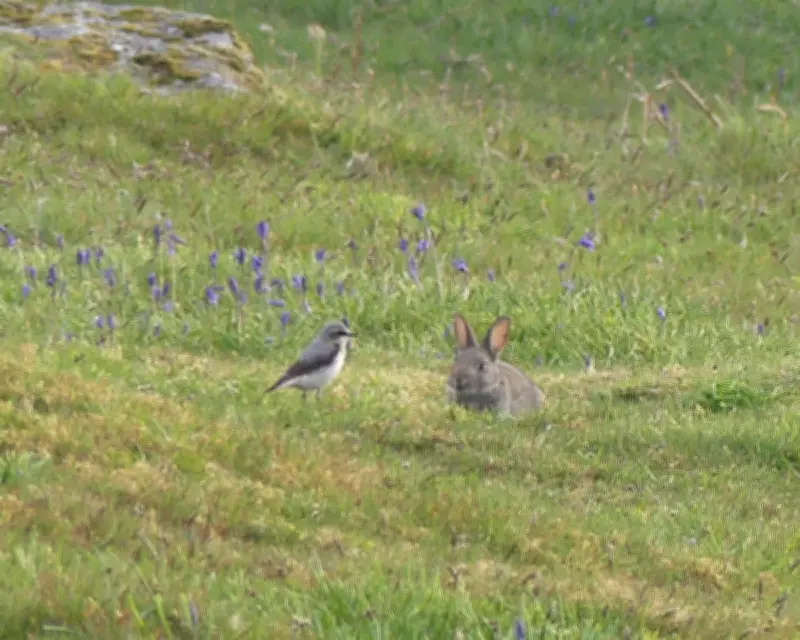
At the edge of my vision, a flicker of movement catches my attention—a mere flick, nothing more. My patience is rewarded by the sight of a weary traveler, warming its toes on a sun-drenched rock. This is the wheatear, one of the first birds to return to our shores each year after wintering in sub-Saharan Africa. Dressed in a striking palette, its back is a soft slate grey, while its chest and stomach glow with a warmer peach hue.
The Distinctive Feature That Defines Spring
And then, there's the feature that gives this bird its name: the unmistakable white rump. Clearly proud of this attribute, the wheatear flashes it for me before vanishing into the landscape. The name "wheatear" originates from an old English phrase, literally translating to "white arse," a nod to this distinctive marking that sets it apart from other species.
Spotting my first wheatear of the year is a significant milestone. While bees buzz, butterflies flutter, and sunshine bathes the moor, that flash of white is all I need to confirm that spring has truly arrived. It's a moment of connection with nature's cycles, a reminder of the resilience and beauty of wildlife on Dartmoor.
In related news, today's other Young Country Diary entry, by Isobel, age 13, explores the luck of roe deer on a glorious hillside, highlighting the diverse experiences of young naturalists. The submission form for Young Country Diary will reopen on Wednesday, April 1, for spring entries, inviting more stories from the next generation of wildlife enthusiasts.



