
While the main autumn bird migration is largely finished, the British Trust for Ornithology (BTO) reports that November still offers exciting opportunities for birdwatchers across the UK. The unique combination of easterly winds and clear skies acts as a catalyst for specific species to make their journey to British shores.
A Sought-After Visitor: The Charismatic Waxwing
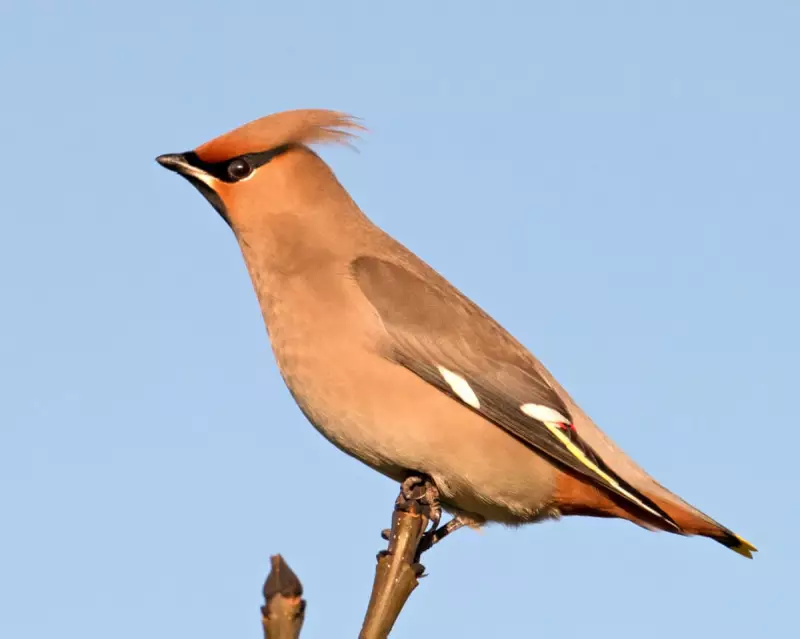
One of the most anticipated arrivals is the waxwing. This autumn is shaping up to be particularly promising, with high numbers of these birds already reported in southern Scandinavia. Should the weather conditions align, these charismatic birds are likely to cross the North Sea. They frequently appear along the UK's east coast, where they form noisy flocks in supermarket car parks, feasting on berry-laden trees.
Nocturnal Travellers and Surprising Migrants
Another winter visitor from Scandinavia is the woodcock. These secretive, woodland-dwelling waders travel on clear nights, with their numbers typically peaking during November. However, their elusive nature makes them far harder to spot than their waxwing cousins.
In a surprising twist, the BTO also highlights movements of a bird not commonly associated with migration: the wood pigeon. Experts suggest keeping an eye out for large flocks. A remarkable example occurred late last month in the village of Portskewett in Gwent, where an astonishing 231,000 wood pigeons were observed heading south-west. It is believed that a significant number of these birds will continue across the English Channel to overwinter in continental Europe before returning next spring to breed.
The Final Push of Autumn Migration
By November, the UK's summer visitors, including warblers and flycatchers, have long since departed for Africa. Conversely, many winter visitors, such as waders and wildfowl, have already arrived from northern and eastern breeding grounds. The BTO's Migration Blog confirms that specific weather conditions continue to influence bird movements, either hindering or boosting these late-season travels, providing a final spectacle for wildlife enthusiasts before winter fully sets in.



