Urban Dawn Chorus: How Listening Reveals Nature's January Stirrings
On a grey morning in Stoke-on-Trent, Staffordshire, an ordinary urban housing estate became the stage for a subtle but significant natural performance. It was a teenage observation that pierced the January doldrums: "The birds just sound louder," he remarked, scanning the rooftops with a grin, "more enthusiastic." This simple comment sparked a journey of auditory discovery, revealing that bit by bit, bird by bird, our wildlife is indeed beginning to stir.
The Soundscape of an Urban Estate
In the maze of terraced houses, where trees and front gardens are scarce, visual sightings of birds can be furtive and elusive. Yet, as the resident closed their eyes to listen, a rich tapestry of calls emerged. The familiar chirp of sparrows, the melodic song of robins, the cooing of wood pigeons, and the energetic trill of wrens filled the air. A bickering winter flock of blue tits added to the chorus, while the distinctive see-see-see of long-tailed tits provided a high-pitched counterpoint.
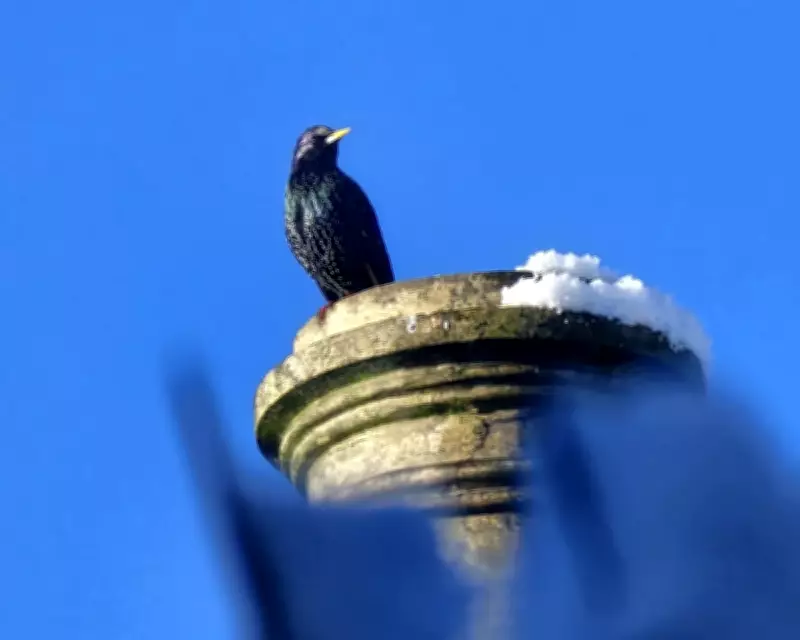
The moment of connection came when a starling's call – a long, descending whistle like something falling from the sky – echoed above, perfectly matching a teenage impression. This shared experience highlighted not just the diversity of species but the joy of recognising them through sound alone.

Learning to Listen in a Concrete Jungle
For this urbanite, the skill of identifying birds by their calls was honed through Simon Barnes's insightful book, Bird Watching With Your Eyes Closed. This resource has proven invaluable in an environment where visual cues are limited. Tuning into the soundscape has taught a profound lesson: we share our urban spaces with a surprising number of species, each contributing to the acoustic texture of daily life.
Listening attentively in January also reveals the absences that mark the season's quiet persistence. Thrushes, which typically begin singing in a specific order – mistle thrush, song thrush, then blackbird – are only partially represented, with just the mistle thrush heard so far. A resident male now greets dawn with repetitive phrases during bathroom visits, a small but welcome sign of life.
The Gaps in the Winter Chorus
Notably missing are the usual hordes of chittering goldfinches, many of which overwinter in warmer climates like France and Spain. The rollicking, bumping calls of chaffinches have yet to appear, and great tits have been heard only sporadically. The first piercing screech of swifts remains months away, a reminder that spring's full symphony is still in the wings.
Despite these gaps, the year is undeniably turning. The gradual awakening of nature offers a treat for the senses now and promises future delights held in memory. It serves as a reminder to pause and listen, to appreciate the incremental changes that signal renewal.
A Future of Auditory Discovery
Thanks to the foundations laid by resources like Simon Barnes's work, another glorious year of listening – and perhaps impressing a son with newfound knowledge – lies ahead. In urban settings like Stoke-on-Trent, where green spaces may be limited, the act of tuning into bird calls becomes a powerful way to connect with the natural world, proving that wildlife thrives even in the most built-up environments.
This experience underscores the importance of auditory awareness in appreciating biodiversity. As the seasons shift, the soundscape will evolve, offering ongoing opportunities to witness nature's resilience and beauty, one call at a time.