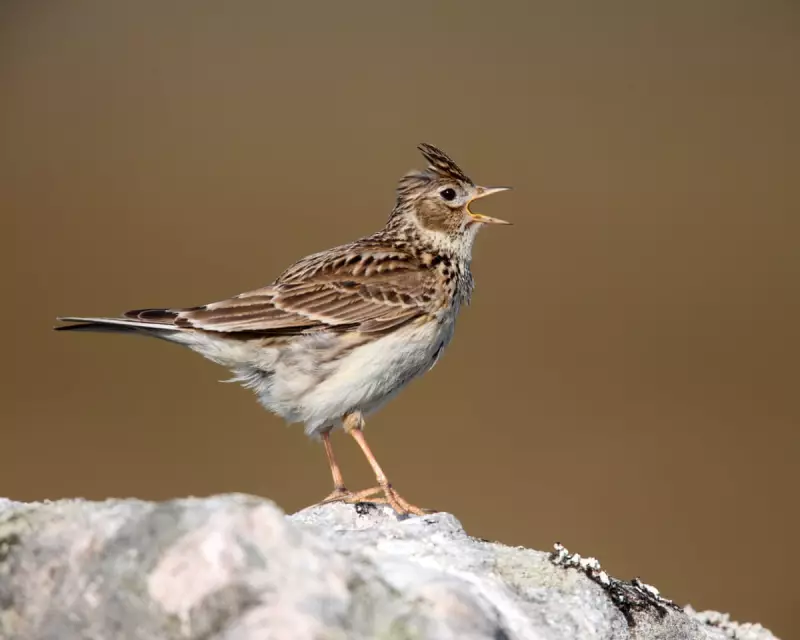
Across the UK, an unusual symphony is breaking the traditional silence of December. Spells of remarkably mild winter weather are prompting birds, including the iconic skylark, to burst into premature song, raising questions about our changing climate.
A Chorus Out of Season
December in Britain is typically a quiet month for avian melodies. Most species focus their energy on survival, foraging during the short daylight hours rather than rehearsing for the breeding season. However, periods of unseasonably warm weather are disrupting this norm, leading several birds to practice their spring refrains weeks or even months early.
Observers have noted a distinct, though somewhat subdued, increase in birdsong over recent weeks. The robin, which defends autumn and winter territories, is a familiar winter vocalist, its plaintive tune brightening grey days. Similarly, wrens are now commonly heard during mild winters, a behaviour less frequent in decades past.
Notable Performers Across the Country
In Somerset, the seasonal duo has recently been joined by the song thrush, delivering its loud, cheerful, and repetitive phrases. Interestingly, its close relative, the blackbird, largely remains silent. On coastal areas, overwintering skylarks have been heard uttering brief bursts of their characteristic song, a sound usually reserved for spring and summer skies above open countryside.
The current displays, however, have yet to surpass a notable record set on a surprisingly warm and sunny afternoon in late 2015. On that exceptional day, an extraordinary seven species were recorded in song. The standard winter performers were accompanied by a dunnock, a goldcrest, a chiffchaff, and the explosively loud Cetti’s warbler.
A Charming Prelude or a Dire Warning?
This premature birdsong presents a poignant dilemma for nature enthusiasts. Is this early chorus a delightful, hopeful hint of the distant spring, allowing us to enjoy a preview of the season to come? Or is it a far more serious ecological warning sign triggered by the climate crisis?
While the unseasonal music offers a temporary joy, scientists and conservationists are increasingly concerned. Such behavioural shifts can misalign breeding cycles with food availability, putting stress on bird populations. The phenomenon turns a simple winter walk into a moment of reflection on the profound and rapid changes affecting UK wildlife.