In the heart of a biting January, when the chill seems relentless, a hidden ecological miracle is at work beneath our feet. The recent hard frosts, locking the landscape in a crisp, white grip, are far from a barren pause in nature's cycle. Instead, this deep freeze is a fundamental, life-giving force for the planet.
The Unseen Engine Beneath the Ice
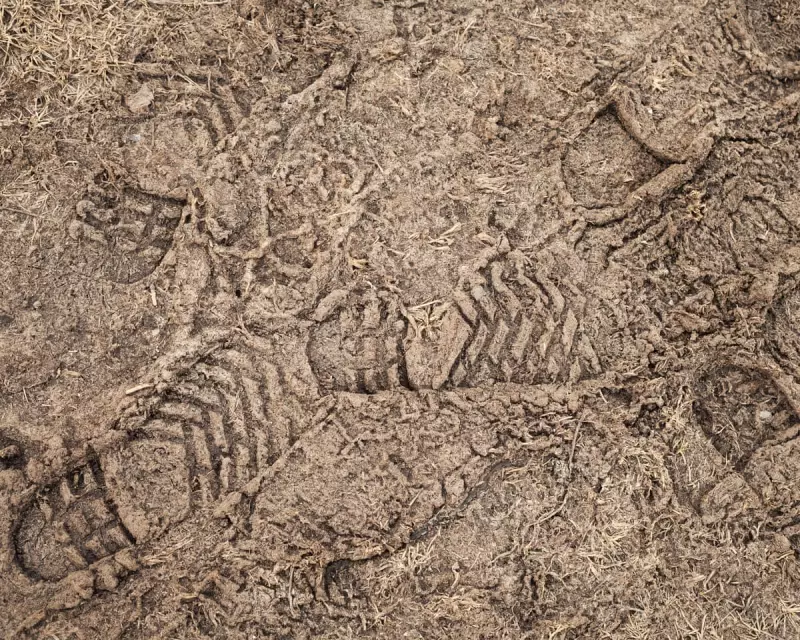
The transformation begins with water. As temperatures plummet, moisture within the soil expands upon freezing. This powerful action fractures the earth, creating a network of tiny fissures and pores. This process is a masterful act of natural engineering, crucial for aeration and drainage. It prevents the soil from becoming an impermeable, compacted slab, ensuring roots can breathe and water can penetrate come the thaw.
This physical breakdown also has a profound effect on organic matter. The freezing and thawing cycles help to break down leaf litter and dead plant material, effectively kick-starting the decomposition process that will release vital nutrients back into the earth. The frozen ground acts as a protective blanket too, shielding delicate plant roots and hibernating insects from the volatile temperature swings above.

A Crucial Signal for Seeds and Slumbering Life
For many plant species, the cold is not an obstacle but a strict requirement. Countless seeds, from wildflowers to trees, require a sustained period of cold stratification to break their dormancy. The hard frost of winter provides the essential signal that tells these seeds it is safe to germinate when spring finally arrives. Without this prolonged chill, their genetic programming fails, and they may not sprout at all, leading to a gradual decline in floral diversity.
Furthermore, the frozen layer creates a stable microenvironment for countless organisms. Insects, amphibian eggs, and fungal mycelia are preserved in a state of suspended animation, protected from premature activity that a mild winter might trigger, only to be killed by a sudden late frost.
Fragile Frost in a Warming World
This makes the increasing rarity of properly hard, prolonged frosts a significant ecological concern. As global temperatures creep upwards, winters in the UK are becoming milder and wetter on average. The consistent, deep freeze described in the Country Diary entry for January 2026 is becoming a less frequent event.
The consequences are far-reaching. Soils risk becoming more compacted and waterlogged. Seed germination patterns for native species are disrupted. Pest populations, which would normally be curtailed by a severe frost, can survive and thrive, putting additional pressure on ecosystems and agriculture. The very foundation of soil health, which all terrestrial life depends upon, is subtly undermined.
Therefore, the sight of a hard-frozen field or a glittering, frost-encrusted hedgerow should be met not with dismay, but with appreciation. It is a sign of a functioning winter, a season that is as vital for regeneration as spring itself. Celebrating the frost means recognising its indispensable role in the intricate web of life. Its gradual disappearance is a quiet but urgent signal of the profound changes affecting our natural world.