The fragile truce in the trade war between the United States and China faces a severe new test following an aggressive move by former President Donald Trump. His announcement of 25% tariffs on any nation trading with Iran has placed Beijing, Tehran's largest commercial partner, directly in the crosshairs, risking a major escalation.
A Measured Initial Response from Beijing
China's initial reaction to the tariff threat, delivered on Tuesday 13 January 2026, was notably restrained. Foreign Ministry spokeswoman Mao Ning stated simply that "there is no winner in a tariff war" and that China would safeguard its lawful rights. Analysts interpret this bland response as Beijing buying time to assess the details of Trump's sweeping declaration, which crucially omitted whether the existing US-China tariff ceasefire would grant it an exemption.
In theory, China is a prime candidate for the new punitive measures. It is Iran's biggest trading partner and a key lifeline for the sanctioned nation. Estimates suggest China buys between 80% and 90% of Iran's exported oil, figures not officially published. Beyond energy, Chinese firms have significant investments in Iranian construction and infrastructure projects, demonstrating a deep economic entanglement that defies US pressure.

The High Stakes of the US-China Truce
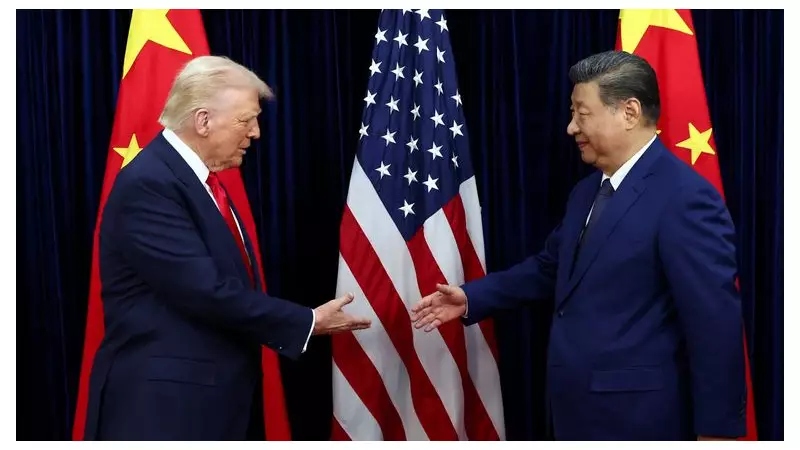
The context of the broader US-China relationship is critical to understanding the potential fallout. After months of damaging tit-for-tat measures, a truce was agreed by Xi Jinping and Donald Trump in November. This hard-won bargain reduced China's average tariff rate from a peak of 145% down to around 47%.
In return, Trump secured concessions important to his agenda, including increased Chinese purchases of US soybeans, the de-blacklisting of certain American companies, and better access to rare earth minerals. Reimposing the 25% tariff now would push China's average rate above 70%, making most trade with the US unviable and almost certainly triggering immediate and severe retaliation, wiping out those recent gains.
Precedent and Political Calculus
There is a recent precedent that suggests China may yet secure an exemption. Last summer, India was hit with an extra 25% tariff for buying Russian oil, while China, a larger purchaser, was spared. This was widely seen as a tactical move while a broader US-China deal was being negotiated.
Similar political calculations are likely at play now. Trump has indicated a desire for stability and even plans to visit Beijing in April. With the Chinese economy still grappling with slowed growth and high unemployment, a punishing new tariff would be acutely damaging. However, Beijing has learned that a firm, unrelenting stance with Trump can yield results and possesses significant leverage to negotiate behind the scenes.
The coming weeks will determine whether the hard-won trade war truce can survive this new provocation. If China does not receive the exemption it is undoubtedly seeking, the world should prepare for a swift and forceful economic retaliation, reigniting a global conflict both sides had only recently paused.