Two Decades of Thames Tragedies: The Whales and Dolphins Stranded in London's River
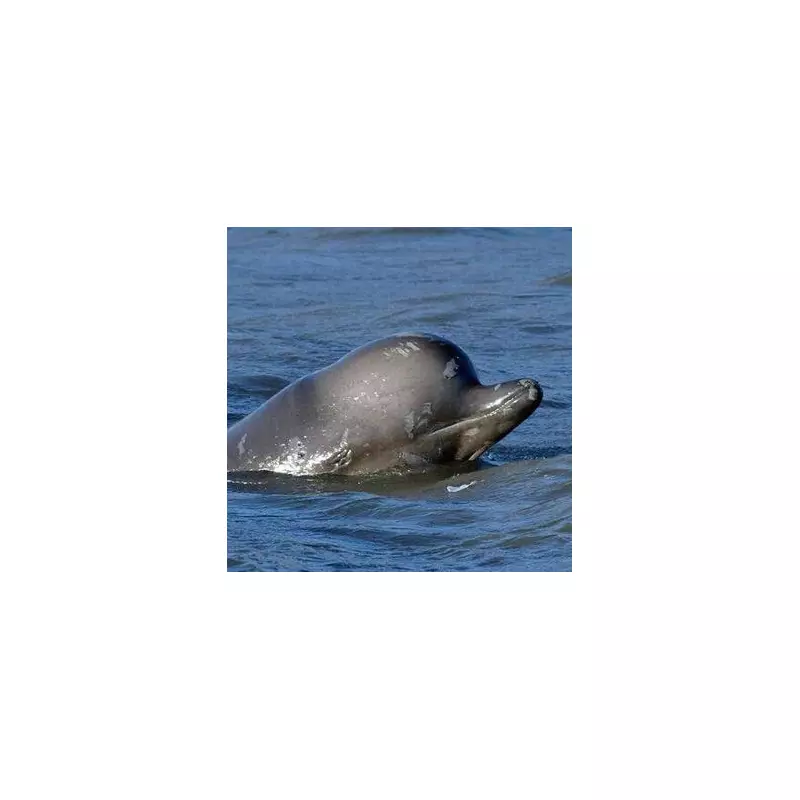
Today marks a sombre anniversary in London's natural history. Twenty years have passed since the world watched in collective heartbreak as a rare Northern Bottlenose Whale, affectionately dubbed Willy by onlookers, navigated into the heart of the capital via the River Thames. This initial tale of wonder swiftly turned to tragedy, setting a precedent for numerous marine mammals that would follow.
Plenty of creatures call the Thames home, but for deep-sea visitors like whales and dolphins, this bustling urban waterway often spells disaster. The story of Willy, who died during a rescue attempt on January 21, 2006, after suffering convulsions, was just the beginning of a pattern of strandings that continues to this day.
A Catalogue of Heartbreak in the Thames
Willy was far from the only cetacean to meet a tragic end in London's mighty river. Over the years, numerous whales and dolphins have been observed, with most occurrences concluding fatally due to the immense stress and unsuitable conditions of the Thames.

Jo Jo the Dolphin - 2024
In a more recent incident, a solitary common dolphin named Jo Jo was spotted navigating the Thames between Hammersmith and Putney bridges in West London. This sighting represented the fourth documented case of a dolphin venturing into London's section of the Thames that year alone. While dolphin sightings are considered normal in the Thames Estuary, their journey into central London is an entirely different matter. Tragically, several days later, a dolphin was found deceased near Chelsea Harbour Pier, with a second recovered dead on the Greenwich riverbank.
Baby Minke Whale - 2021
May 2021 witnessed another heartbreaking stranding when a baby minke whale became trapped in the Thames. Despite rescue attempts to guide it towards open waters, the visibly distressed and exhausted mammal had to be euthanised to prevent further suffering. Initially sighted near Richmond Lock and refloated, it became stranded once more upstream near Teddington.
Hessy the Humpback and a Fin Whale - 2019
October 2019 saw two whales stranded and discovered deceased in the Thames within weeks of each other. The first, a juvenile humpback named Hessy, was found dead near Greenhithe in Kent. A post-mortem revealed it likely died from injuries sustained in a vessel collision. Merely weeks later, a second whale, believed to be a fin whale, was found deceased near Gravesend.
Benny the Beluga - 2018
In a slightly less tragic case, Benny the Beluga Whale was frequently observed in the Thames over a three-month period in 2018. Fortunately, Benny never ventured too far upstream and was predominantly seen feeding in the Kent section of the river, with specialists hoping it returned naturally to open waters.
Humpback Whale - 2009
September 2009 brought the first documented case of a Humpback Whale in the Thames, a young male discovered lifeless near Dartford Bridge in Kent. The mammal was thought to have died from starvation.
Willy the Bottlenose Whale - 2006
The incident that captured global attention, Willy's stranding saw Londoners lining the riverbanks. A post-mortem examination revealed deep wounds from vessel impacts and scraping against the rocky riverbed, with the official cause of death determined as dehydration, kidney failure, and muscle damage. Willy's skeleton remains on display at the Natural History Museum.
Why Do These Creatures Become Stranded?
According to the Natural History Museum, cetaceans—the family including whales and dolphins—frequently become stranded, with 400 to 600 incidents reported across the UK annually. Strandings typically occur due to environmental changes or because the animal is unwell and in distress.
Whales depend on magnetic fields for navigation, detecting them through magnetite in their brains. Changes in these magnetic fields can disorient them, leading to strandings. Additionally, there is a theory that military sonar signals may contribute to these tragic incidents, further complicating the challenges these majestic creatures face in our busy waterways.