Storm Chandra's Widespread Impact on UK Wildlife Documented
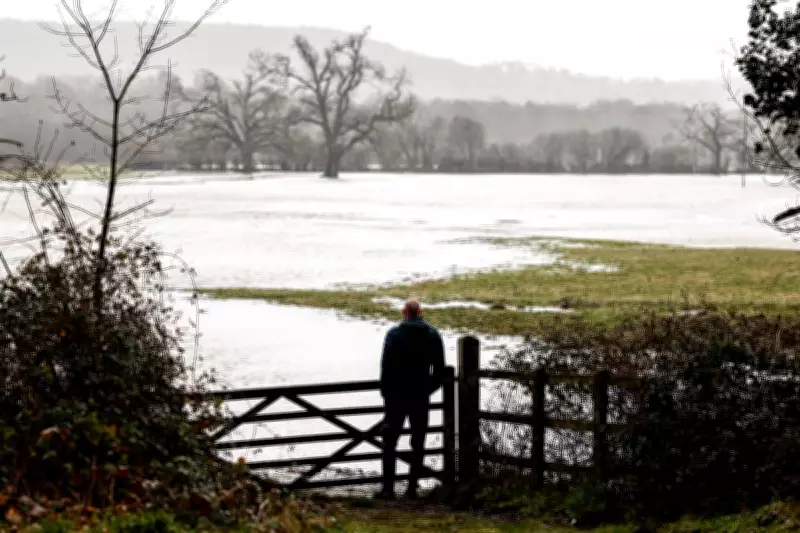
A comprehensive assessment has revealed the severe and far-reaching effects of Storm Chandra on the United Kingdom's wildlife populations. The intense flooding triggered by the storm has caused significant disruption to various species, with experts warning of potential long-term ecological damage.
Birds and Butterflies Among the Hardest Hit
Initial findings indicate that bird populations have been particularly vulnerable to the flooding. Nesting sites have been destroyed, and food sources have been washed away, leading to concerns about breeding success and survival rates in the coming seasons. Similarly, butterfly habitats have been severely compromised, with many areas essential for their life cycles now submerged or damaged.
Mammals Like Dormice and Beavers Also Affected
The report highlights that mammals have not been spared from the storm's wrath. Dormice, which rely on specific woodland environments, have seen their habitats flooded, threatening their already precarious numbers. Beavers, known for their role in ecosystem engineering, have also faced challenges, with some of their lodges and dams being overwhelmed by the rising waters.

Long-Term Ecological Consequences Feared
Conservationists are expressing deep concern over the potential long-term impacts. The flooding may lead to habitat loss, reduced biodiversity, and shifts in species distributions. Recovery efforts are expected to be slow and complex, requiring coordinated action from environmental groups and government agencies.
Call for Enhanced Flood Defence Measures
In response to these findings, there is a growing call for improved flood management strategies that take wildlife into account. Experts suggest that incorporating natural flood defences and protecting key habitats could help mitigate future damage from similar extreme weather events.