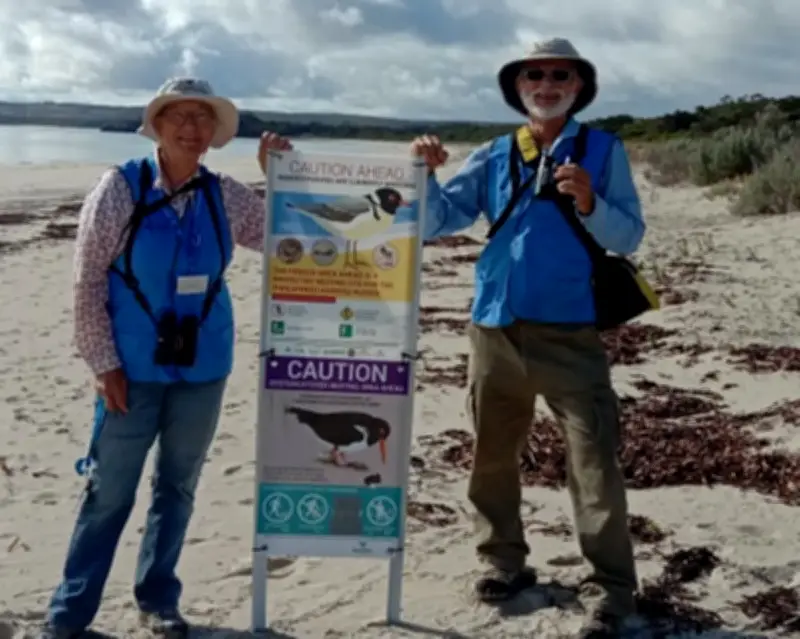
Volunteers in South Australia have stepped up to help sick birds as an avian flu outbreak spreads across the state. The outbreak, which has affected wild and domestic birds, has prompted a coordinated response from wildlife groups and government agencies.
Volunteers on the front line
Local wildlife rescue organizations, such as the Fauna Rescue of South Australia, have reported a surge in calls about sick or dying birds. Volunteers are donning protective gear to safely capture and transport infected birds to quarantine facilities, where they receive supportive care.
“We’ve seen a significant increase in cases over the past few weeks,” said a spokesperson for Fauna Rescue. “Our volunteers are working around the clock to give these birds the best chance of survival.”
Avian flu spread and impact
The current strain, identified as H5N1, has been detected in multiple species, including ducks, geese, and raptors. According to the South Australian Department of Primary Industries and Regions (PIRSA), over 200 confirmed cases have been reported since the outbreak began in July.
The virus has also impacted poultry farms, leading to culls to prevent further spread. Farmers are urged to maintain strict biosecurity measures and report any unusual bird deaths.
Public health and safety advice
While the risk to humans remains low, health officials advise the public to avoid handling sick or dead birds. If contact is unavoidable, wearing gloves and washing hands thoroughly is recommended.
“We encourage people to report sightings of sick birds to the authorities rather than approaching them,” said Dr. Emily Thompson, a senior veterinarian with PIRSA. “This helps us track the outbreak and respond effectively.”
Volunteer efforts expand
In response to the outbreak, volunteer groups are expanding their capacity. Training sessions are being held to educate new volunteers on safe handling and care techniques. Donations of supplies, such as gloves, masks, and bird food, are also being sought.
The community has rallied, with many offering their time and resources. Local businesses have donated materials, and social media campaigns are raising awareness about the importance of reporting cases.
Looking ahead
Authorities are monitoring the situation closely and have implemented movement restrictions in affected areas. Research is ongoing to understand the virus’s transmission patterns and potential mutations.
“This outbreak is a reminder of the interconnectedness between wildlife, domestic animals, and human health,” said Dr. Thompson. “Collaborative efforts are crucial to managing such events.”
As the outbreak continues, volunteers remain committed to their mission. Their dedication not only aids the birds but also contributes to broader disease surveillance and public health protection.