
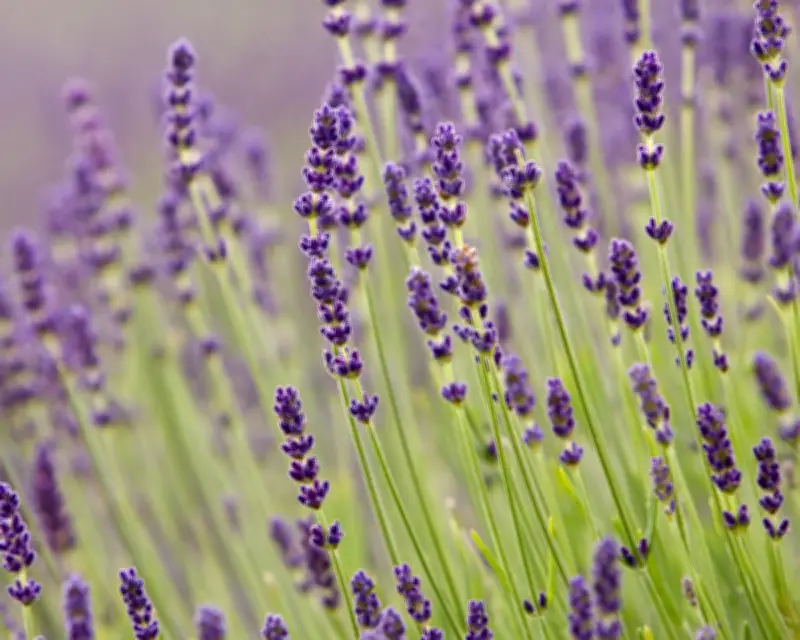
The Royal Horticultural Society (RHS) has revealed that purple is now the most popular colour among British gardeners, with a survey at RHS Garden Wisley's Hilltop showing 26.67% of more than 11,000 visitors preferred purple flower hues, closely followed by red at 25.24%. This marks a significant shift away from the recent trend of grey paving and pristine lawns towards a more vibrant, naturalistic approach to gardening.
Why Purple is Winning Over Gardeners
Plants such as lavender, salvias, and catmint are now in high demand, according to the RHS, which conducted extensive research into colour preferences. The findings, published in the study Flower Power: How favourite flower colours shape how we feel in Acta Psychologica, highlight a growing confidence with colour in garden design.
Tom Massey, an award-winning garden designer based in London, observed: "We've moved away from the era of large expanses of decking, paving and lawn towards richer, more naturalistic planting inspired by meadows and natural plant communities." He added that clients are increasingly requesting bright colours, particularly purples.
Designers Confirm the Purple Trend
Laura Carey, co-owner of Carey Garden Designs with her husband Joe, echoed this sentiment: "Purple is a favourite across the board with all of our clients. There are so many purple flowering plants to choose from, including national favourites like lavender, alliums and geraniums."
Massey elaborated on the appeal: "Purple has always been a hugely important colour in gardens because it combines beautifully with greens, silvers and the buff tones of ornamental grasses. It also attracts pollinators and tends to have a calming quality. Plants like salvias, nepetas, alliums and lavender remain incredibly popular for exactly those reasons."
Emotional Impact and Wellbeing
The popularity of purple may be linked to the emotions it evokes. Research indicates that purples and blues induce calm and relaxation, while yellows and oranges bring joy. Dr Ashby Sachs, a wellbeing fellow at the RHS, noted: "Colour is a key consideration when it comes to garden design, but little is known about how it interacts with our sense of wellbeing. That different shades of colour can elicit an anticipated emotional response in people is incredibly useful when it comes to designing spaces for specific purposes and people such as in schools and hospitals."
Massey pointed to high-profile examples of this trend: "You can see this in high-profile public landscapes that have proved hugely popular, such as Queen Elizabeth Olympic Park in London, parts of the High Line in New York, and the seasonal displays and borders at RHS gardens like Wisley, where bold combinations of colour are used to create planting schemes that are both beautiful and ecologically rich."
The shift towards purple and other vibrant colours represents a broader move towards naturalistic planting that supports biodiversity and mental wellbeing, as gardeners embrace a more expressive and environmentally friendly aesthetic.



