
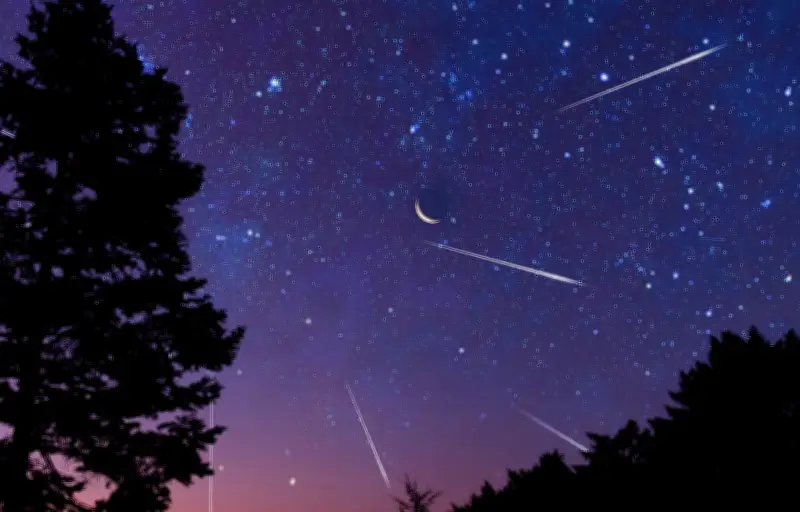
The Perseids meteor shower, the biggest and brightest of the year, will reach its peak overnight on Wednesday, August 12 into Thursday, August 13, 2026. At its maximum, skywatchers in London and across the UK could see up to 125 vivid meteors per hour, according to Royal Museums Greenwich, which calls the Perseids 'one of the best meteor showers of the year'.
What Is the Perseids Meteor Shower?
Meteor showers occur when debris from comets hurtling around our solar system enters Earth's atmosphere at speeds of up to 45 miles per second. The debris vaporises, leaving bright streaks of light that we see as shooting stars. The Perseids specifically originate from comet 109P/Swift-Tuttle, and have been dazzling humans since at least 69 BC.
The shower has actually been active for several weeks, so you may have already spotted a few meteors. However, the peak—when the highest number of shooting stars are visible—occurs in mid-August, making this the prime time to look up.
When and Where to Watch in London
The best time to see the Perseids is between midnight and 5am, when the moon is below the horizon, according to Royal Museums Greenwich. This minimises light interference and maximises visibility.
To watch, find a spot with an uninterrupted view of the sky and minimal light pollution. Keep in mind that most London parks close after sunset, so plan accordingly. Give your eyes about 15 minutes to adjust to the darkness, then look up and be patient. Avoid binoculars or telescopes, as they limit the amount of sky you can see.
Weather Forecast and Viewing Conditions
As of now, the weather forecast for the peak night is uncertain, with a possibility of some cloud coverage. However, it's not expected to be enough to completely rule out stargazing. For the best experience, monitor the forecast closer to the date and seek clear skies if possible.
Next Meteor Shower After the Perseids
After the Perseids, the next meteor shower is the much smaller Draconids, which will peak on October 9, 2026. While not as spectacular, it still offers a chance to see shooting stars later in the year.
Don't miss this rare opportunity to see a celestial spectacle from the capital. Mark your calendar for August 12-13 and head outside in the early hours for a memorable show.



