
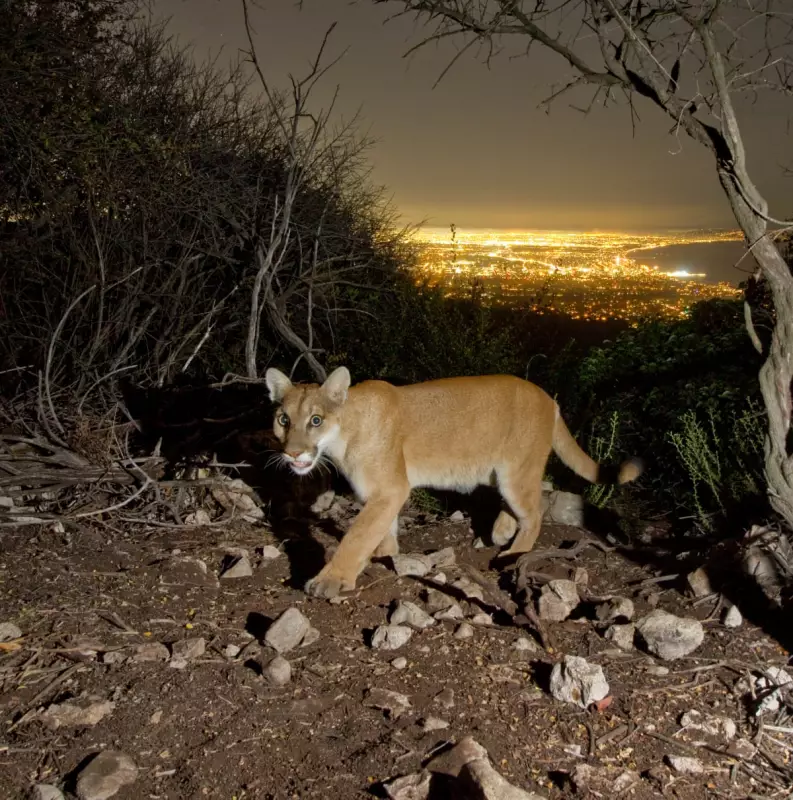
Could the iconic mountain lion, absent from the forests of northern New England for over 140 years, be poised for a dramatic return? A determined rewilding organisation believes so, launching an ambitious campaign to convince residents and authorities that reintroducing this apex predator is the key to a healthier ecosystem.
The Vision for a Wilder North-East
The effort is being spearheaded by Mighty Earth, a US-based rewilding group. Their campaign, Bring Catamounts Home, is actively engaging Vermonters in 'catamount conversations' to discuss the animal's historic role and the implications of its return. The term 'catamount' is the traditional local name for the creature, also known as a puma or cougar.
According to Renee Seacor, the group's north-eastern rewilding director, the support is already significant. "Scientists and researchers have identified suitable habitats throughout the north-east for catamount recovery," Seacor stated, noting that a survey shows Vermonters supporting the idea outnumber opponents by twelve to one.
The motivation is ecological. As a keystone species, mountain lions would help control the region's exploding white-tailed deer population. This, in turn, would reduce over-browsing of forest vegetation, allow for a more balanced range of species to thrive, and even mitigate public health issues like Lyme disease and vehicle collisions with deer.
A Growing Trend of Sightings and Reintroductions
While Mighty Earth's campaign in Vermont is proactive, evidence suggests a natural return is already slowly underway across the eastern US. A recent viral video of a mountain lion in New York state caused excitement, and in Kansas, trail cameras have frequently captured the animals on film. In fact, the state has recorded 117 sightings since 2007, with 65 occurring in the last two years alone.
Other potential sightings have been reported in West Virginia, Pennsylvania, and Michigan. While some may be misidentifications of bobcats or escaped pets, many experts acknowledge that mountain lions are gradually recolonising their former eastern habitats.
This movement fits within a broader North American rewilding trend. Josh Ginsberg of the Cary Institute of Ecosystem Studies in New York points to the successful recovery of the beaver, once nearly extinct but now numbering 10 to 15 million. He notes that reintroducing mountain lions could significantly cut deer numbers, "allowing space for the recovery of oak-dominant forests."
Addressing Concerns and Looking to the Future
Naturally, the proposal raises questions. The primary concerns centre on the safety of livestock, domestic pets, and people enjoying the outdoors. However, advocates highlight the animal's reclusive nature. There have been only 30 fatal mountain lion attacks on humans in the US in over a century, making the risk exceptionally low.
To address these concerns directly, Mighty Earth brought in Beth Pratt, from the National Wildlife Federation in California, to discuss her experience coexisting with cougars in densely populated areas through the #SaveLACougars campaign.
The potential return of the mountain lion is seen by some as just the beginning. Ginsberg suggests the next stage for the forested north-east could be the return of animals like elk, forest bison, and wolves. While this may happen naturally over a century, there is a growing desire to accelerate the process through active restoration, learning from successes in places like Yellowstone and Colorado.
As Ben Goldsmith, host of the 'Rewilding the World' podcast, observes, "Britain remains fundamentally afraid of charismatic wildlife... Britain can learn from America, where charismatic wildlife has been reintroduced in a number of places." For now, all eyes are on Vermont, where the dream of hearing a catamount's cry once more is slowly becoming a tangible, and for many, a welcome possibility.



