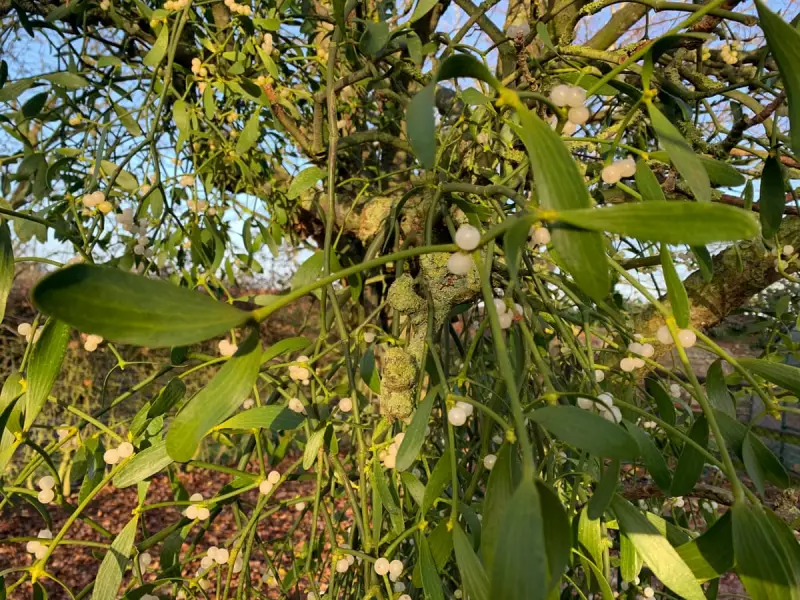
For many, mistletoe is a fleeting symbol of Christmas cheer, a sprig hung in a doorway inviting a seasonal kiss. However, a recent entry in the long-running Country Diary column casts this iconic plant in a startling new light, revealing its critical, year-round role in sustaining British wildlife.
More Than Just a Festive Decoration
The observations, recorded on 20th December 2025, shift focus from human tradition to natural history. The writer details an encounter with a thriving mistletoe plant in a winter landscape, noting its complex relationship with the trees it inhabits. Unlike the simple ornament we imagine, mistletoe is a hemiparasitic plant. This means it draws water and nutrients from its host tree, yet also performs photosynthesis itself, creating a unique and intricate biological partnership.
This parasitic nature has long defined mistletoe in the popular imagination, often casting it as a villain. However, the diary entry compellingly argues for its ecological value. The dense, evergreen balls formed by mistletoe offer crucial shelter for birds and insects during the harsh winter months. When other trees are bare, these leafy clumps become vital sanctuaries from cold and predators.
A Vital Winter Larder for Wildlife
Perhaps even more significant is its role as a food source. The diary highlights that mistletoe produces its sticky, white berries in the depths of winter, precisely when other food is scarcest. These berries are a key winter food for birds like the mistle thrush, which also derives its name from the plant. The thrush’s habit of wiping the sticky seeds from its beak onto tree branches is a primary method by which mistletoe spreads, illustrating a perfect co-evolutionary relationship.
The plant’s lifecycle is a testament to this interdependence. Birds eat the berries, digest the pulp, and then excrete or wipe the seeds onto new branches. The seeds germinate and send root-like structures called haustoria into the tree’s vascular system, securing the mistletoe’s place. This process, far from being a simple act of harm, weaves the plant into the very fabric of the ecosystem.
Reassessing Our Relationship with Nature
This perspective challenges the simplistic view of mistletoe as merely a decorative parasite. It positions the plant as a keystone species in its winter habitat, providing resources that support a wider web of life. The Country Diary entry serves as a poignant reminder that even species with seemingly negative traits can hold immense value for biodiversity.
The narrative encourages a deeper appreciation of the natural world that persists beyond our seasonal rituals. It asks us to look past the tinsel and tradition to see the living, breathing organism beneath—one that offers shelter, sustenance, and complexity to the British countryside at its most austere time of year. In understanding mistletoe’s true ecological function, we gain a richer understanding of the delicate balance within our native landscapes.