
Kenyan authorities are investigating the unexpected deaths of 15 elephants over the past month in Amboseli national park, with preliminary tests detecting a potential toxic substance in some samples.
Deaths and symptoms
The Kenya Wildlife Service (KWS) reported that 10 of the elephants showed signs of partial paralysis before dying within two days. The remaining five carcasses were too decomposed or had been scavenged, making it impossible to establish the cause of death.
Most of those affected were female elephants and their calves, with only one male among the dead. The deaths occurred in the Kimana sanctuary and Kuku ranch areas surrounding the park.
Investigations and tests
Preliminary tests on samples collected from the elephants by a laboratory at the University of Nairobi detected a “potential toxic substance,” while separate analyses by a government laboratory were negative for the toxins tested. KWS said further tests are under way.
“Environmental investigations are also being undertaken, including the analysis of water sources and other potential environmental contaminants within the affected areas, to establish whether the elephants were exposed to a common source,” the authority said in a statement.
Context and reassurance
Kenya has previously recorded incidents of elephants being poisoned as a result of poaching and human-wildlife conflict. The authorities sought to reassure the public, saying there was no evidence the condition could be transmitted to humans.
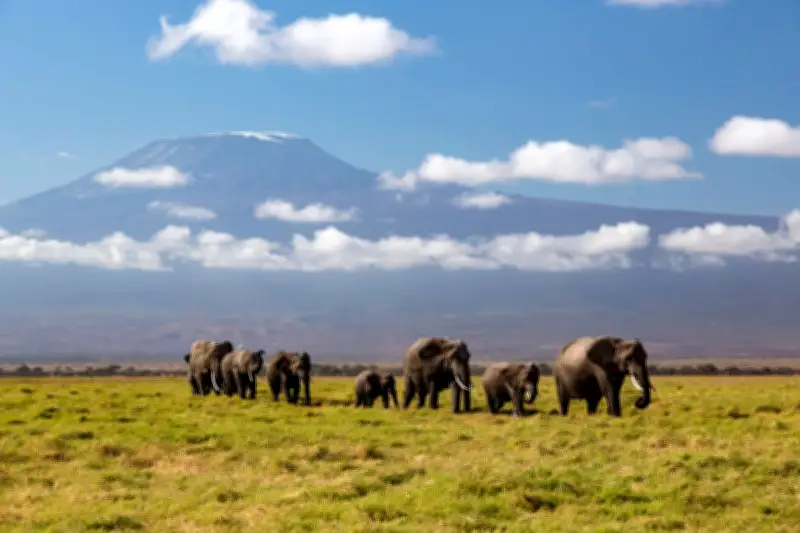
Amboseli is world-renowned for its herds of elephants and its savannah landscapes, with Kilimanjaro visible across the border in Tanzania. It is estimated there are about 2,000 elephants in the park.



