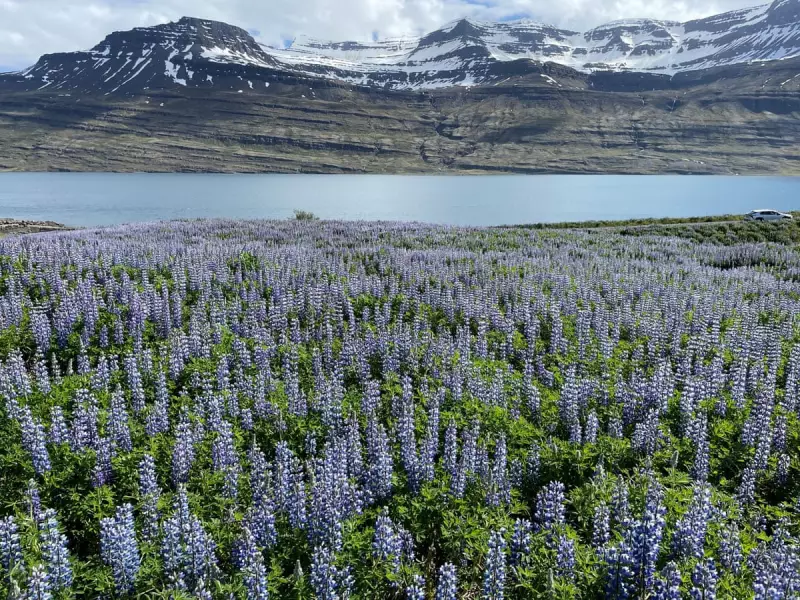
The stark, volcanic landscapes of Iceland are facing an unexpected and colourful threat. The Nootka lupin, a flowering plant introduced with good intentions, has spread aggressively across the country, sparking a complex battle between conservationists and those who see benefits in its presence.
A Beautiful Invader with a Controversial Past
Originally hailing from North America, the Lupinus nootkatensis, or Nootka lupin, was deliberately brought to Iceland in the 1940s. The goal was noble: to bind the nutrient-poor, volcanic soil and combat severe erosion that had plagued the island for centuries. For decades, the plant was seen as a helper, a natural tool in the fight to restore green cover to barren lands.
However, this botanical ally has turned into an ecological adversary. The lupin's ability to fix nitrogen, which initially helped enrich the soil, now gives it a major competitive edge. It forms dense monocultures that crowd out delicate native species like the Arctic thyme, mosses, and dwarf birch. Its vibrant purple-blue flowers, while picturesque, now symbolise a significant threat to Iceland's unique biodiversity.
The Scale of the Invasion and National Response
The problem is vast. Estimates suggest these invasive flowers now cover over 100 square kilometres of Icelandic wilderness, with its spread accelerating due to climate change. Recognising the danger, the Icelandic government has taken action. Since 2021, the Nootka lupin has been officially classified as an invasive alien species.
This legal status makes it illegal to import, propagate, or deliberately spread the plant. A national management plan is now in place, focusing on containing its expansion and protecting the most vulnerable and high-value natural areas from this floral coloniser.
A Divided Public and the Path Forward
The issue is not clear-cut in the public eye. The lupin's role in soil reclamation and its stunning visual appeal have earned it many admirers. Some communities and even tourists celebrate the sweeping fields of purple, creating a complicated socio-environmental dilemma.
Conservationists, however, are unequivocal. They argue that the long-term cost to Iceland's native ecosystems far outweighs any short-term aesthetic or soil-stabilising benefits. The focus is now on targeted control methods, including:
- Mechanical removal: Uprooting plants in sensitive areas.
- Strategic management: Prioritising control in key biodiversity hotspots.
- Public education: Informing residents and visitors about the ecological impact.
The story of the Nootka lupin in Iceland serves as a potent cautionary tale about the unintended consequences of human intervention in nature. It highlights the delicate balance required in ecological restoration and the ongoing challenge of managing a problem that was once mistakenly seen as a solution.