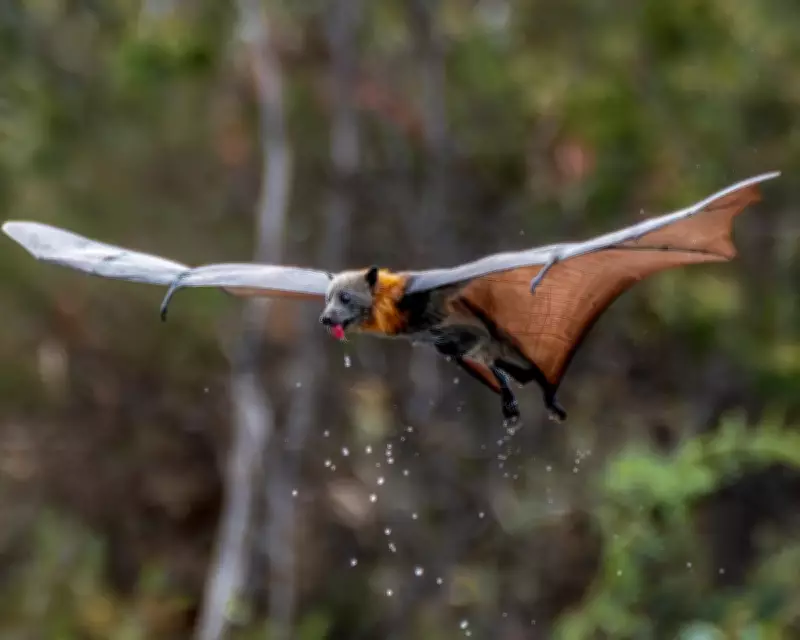
Heatwave Devastation Wipes Out Majority of Flying Fox Colony
An intense heatwave that swept through south-eastern Australia last week has resulted in catastrophic losses for flying fox populations, with one South Australian colony experiencing more than 80% mortality. The camp at Naracoorte, which previously housed approximately 1,000 flying foxes, has been reduced to just 180 surviving animals following the extreme temperatures.
Survivors Face Lengthy Recovery Process
Among the remaining bats at Naracoorte, about 34 were underweight and dehydrated babies that will require months of specialised care before they can be released back into the wild. Judith Bemmer, a carer at Bat Rescue SA, described the situation as "a devastating loss of numbers" that represents a significant blow to local biodiversity.
National Impact of January Heatwaves
The recent heatwave follows an earlier extreme weather event in January that caused thousands of flying fox deaths across Australia, marking the largest mass mortality event for these animals since the 2019-20 black summer. Wildlife Victoria estimates that more than 700 grey-headed flying foxes perished at Tatura in northern Victoria alone, from a camp of 5,000 animals.

In Victoria, government wildlife updates indicate approximately 1,700 flying foxes died at a handful of monitored camps during the heatwaves, representing nearly 5% of the state's population. Temperatures exceeding 42°C are known to cause mortality in flying foxes, with thousands dying nationally since the beginning of January.
Coordinated Rescue Efforts Across States
Despite the devastating losses, strenuous efforts by volunteers, government agencies, and parks authorities helped reduce the death toll in some locations. In Adelaide's Botanic Park, a coordinated response involving park staff, wildlife veterinarians, and volunteers limited deaths to a few hundred bats even as city temperatures reached 44.7°C.
Wildlife Victoria deployed teams to northern Victorian camps for seven days during the extreme heat, with Shepparton Council providing a 1,000-litre water trailer to assist with cooling efforts. "We have worked together to mist the canopies and bring down the ambient temperature," explained Wildlife Victoria CEO Lisa Palma, noting the physically and emotionally demanding nature of the rescue work.
Ongoing Challenges for Wildlife Carers
The financial and logistical burden of caring for rescued animals continues long after heatwaves subside. Bats require substantial resources during recovery, with each animal needing up to 350g of fruit daily. Bat Rescue SA estimates they will be cutting approximately 35kg of apples, pears, rockmelon, and grapes each day to feed the bats in their care.
"That's a lot of fruit and a lot of money," Bemmer noted, adding that "once the heat's gone, the focus is off. That's actually when the biggest struggle starts for us – the financial struggle." The recovery period for baby bats can extend for months before they are ready for release back into their natural habitat.
Conservation Status and Climate Concerns
Grey-headed flying foxes, listed as vulnerable under federal environment laws, have been particularly affected by the heatwaves. A spokesperson for the federal environment department confirmed that heat stress is identified as a key threat in the species' recovery plan, with population status being considered in the current review of the National Flying Fox Monitoring Program.
The extreme weather events highlight the growing impact of climate change on Australian wildlife, with analysis suggesting the worst heatwave since black summer has been made five times more likely by global heating. Conservationists continue to monitor remaining populations while developing strategies to protect these important pollinators during future extreme weather events.