A damning new report has exposed a dramatic surge in the destruction of threatened species habitat across Australia, with government-approved land clearing reaching its highest level in 15 years during 2025.
Scale of Destruction Equivalent to Ten Sydney Harbours
Analysis conducted by the Australian Conservation Foundation (ACF) found that the federal government greenlit the clearing of more than 57,000 hectares of threatened species habitat in 2025. This staggering area is approximately ten times the size of Sydney Harbour and represents a severe escalation in environmental loss.
The approved clearing in 2025 was more than double the figure for 2024 and over five times the 10,426 hectares approved in 2023, marking a deeply concerning trend.

Northern Quoll and Elusive Parrot Among the Worst Hit
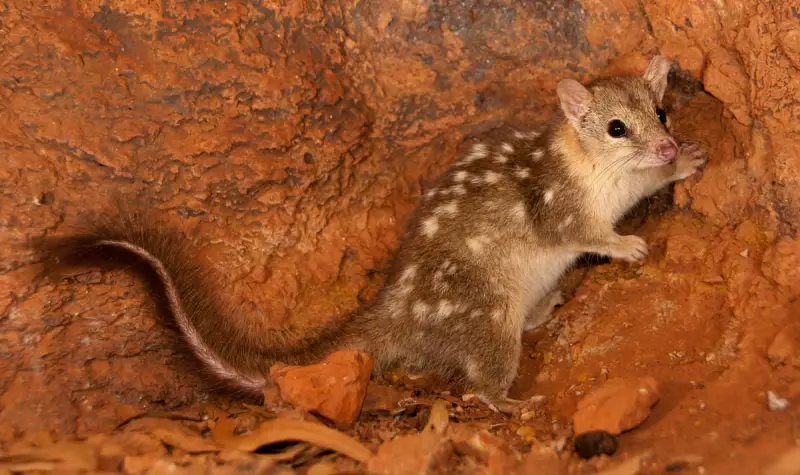
The report, dubbed "extinction wrapped," identified the northern quoll (Dasyurus hallucatus) as the species most severely impacted. A devastating 7,643 hectares of its habitat was marked for destruction.
In a poignant example, the elusive night parrot, a bird rediscovered in 2013 after being presumed extinct for a century, faced a double blow. It was officially moved to a critically endangered classification, and the government simultaneously approved the clearing of an area equivalent to over six Sydney Airports of its remaining habitat.
Other species severely affected in the Pilbara region include the ghost bat, Pilbara leaf-nosed bat, and the Pilbara olive python.
Mining Drives Loss, With New Laws Offering a Glimmer of Hope
The ACF's analysis pinpointed that 98% of the approved clearing occurred in Western Australia, Queensland, and New South Wales. The mining industry was responsible for two-thirds of the total area destroyed.
Adam Bandt, the new chief executive of the ACF and former Greens leader, described the findings as "really distressing." He emphasised that Australia remains a global deforestation hotspot, losing more forest annually than the entire Indonesian palm oil industry.
Bandt noted that the federally approved clearing is just the "tip of the iceberg," as most agricultural clearing has historically escaped national environmental assessment. However, reforms to nature laws passed in November 2025 now require assessment for some agricultural clearing and clearing near waterways in Great Barrier Reef catchments.
The legislation also paves the way for a new national Environment Protection Agency. Bandt expressed cautious hope, stating the new laws "could give nature a fighting chance," but warned that "the devil will be in the detail" regarding the agency's establishment, resources, and enforcement powers.
A federal government spokesperson defended its record, stating the Albanese government is committed to protection and that the new reforms will require projects to demonstrate a net gain for nature to receive approval.
The report concluded by noting that 42 new plants and animals were added to Australia's threatened species list in 2025, underscoring the escalating biodiversity crisis.