
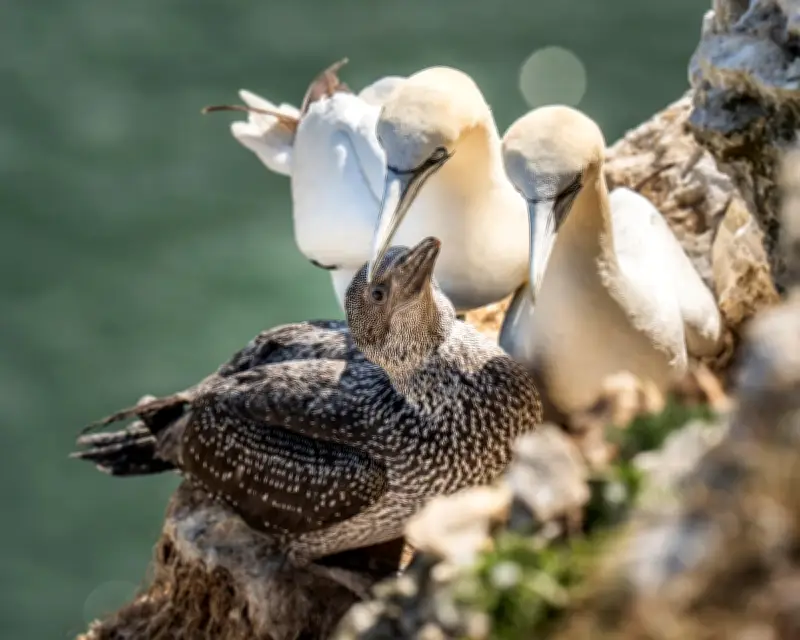
For the first time in four centuries, the controversial Scottish seabird hunt known as the guga hunt will not take place, marking a historic decision by the licensing authority. NatureScot, the public body responsible for wildlife regulation in Scotland, has refused to grant a licence for this year's hunt, which traditionally occurs on the uninhabited Hebridean island of Sula Sgeir, located 40 miles north of Lewis and Harris.
Historic Decision Based on New Science
NatureScot's decision comes after a review of the latest scientific evidence, including an updated population model that predicts the potential impact of the hunt on gannet numbers. The organisation concluded that an 'adverse impact' is possible, both at the requested limit of 2,000 juvenile gannets and even at a reduced limit of 500. This marks a significant shift in policy, as the hunt has been a tradition for centuries, with some tracing its origins back to Viking times when the birds were harvested for food.
The guga hunt involves the killing of up to 2,000 gannet chicks over a 10-day period. The hunters, known as the Men of Ness, use a noose on a long pole to pull chicks from their nests on the Sula Sgeir nature reserve, then kill them with a blow to the head. The birds are subsequently gutted and salted on the island, becoming a delicacy in the Western Isles, despite its taste being described as 'absolutely revolting' and 'between rotten leather and fishy beef'.
Campaigners Applaud the Move
Wildlife and animal rights groups have long protested against the hunt, and their efforts have now borne fruit. Devon Docherty, Scottish campaigns manager at Protect the Wild, called the decision a 'victory for compassion, for science and for common sense.' She added, 'Thousands of young seabirds have been spared from a brutal death because NatureScot chose to follow the evidence rather than simply rubber-stamp another licence to kill.'
However, the decision has not been without controversy. NatureScot has faced criticism from some anti-hunt activists, with incidents of aggression and intimidation reported. The organisation noted that police were called after 'aggression and intimidation tactics of some anti-guga hunt protesters' caused significant personal cost to staff. In March, two men dressed in gannet costumes were arrested after spending days on the roof of NatureScot's Inverness headquarters, and the building was also vandalised with graffiti and broken windows.
Community Reaction and Future Prospects
People from Ness in the north of Lewis have accused activists of bullying. Murdo MacRitchie of the Save Our Guga Harvest group expressed concern that the decision 'risks rewarding a campaign in which members of a small island community have been bullied and abused and publicly owned property has been vandalised.'
The decision does not permanently ban the hunt; the Men of Ness can apply for a licence in future years, as the practice is recognised in law under the Wildlife and Countryside Act. However, public opposition remains strong, with a petition to the Scottish government to end the practice attracting over 100,000 signatures, and a separate petition from Protect the Wild surpassing 250,000.
NatureScot's statement highlighted the use of the most recent scientific evidence, stating, 'We have used the latest information available and commissioned an updated population model to help predict the effect of the guga hunt on the gannet population. As a result, we have concluded an adverse impact is possible, both at the applicants' requested application limit of 2,000 juvenile gannets, and at a reduced limit of 500.'
This landmark decision reflects a growing global consciousness about wildlife conservation and the need to balance tradition with ecological sustainability. As gannet populations face pressures from climate change and other human activities, the protection of these seabirds becomes increasingly critical. The cancellation of the 2025 hunt sets a precedent that may influence future decisions, ensuring that science and compassion guide the management of Scotland's natural heritage.



