
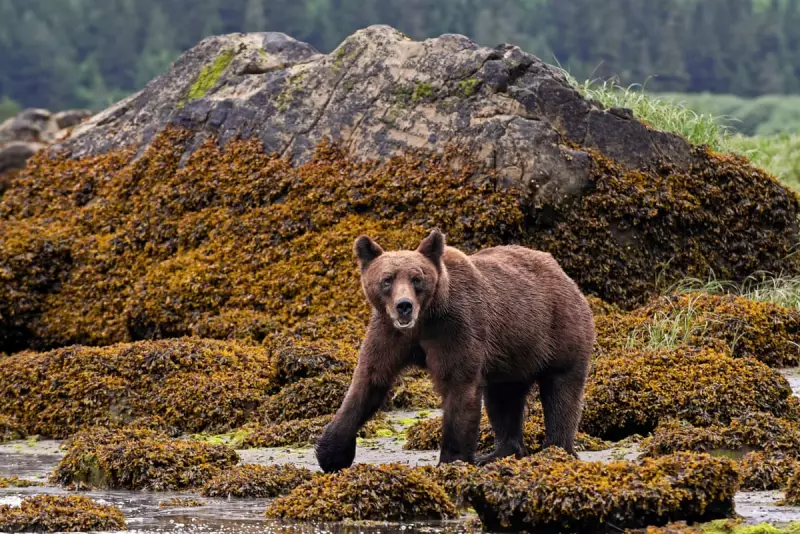
Heroic Teachers Fight Off Grizzly in Rare Attack
Conservation officers in British Columbia are continuing their search for a female grizzly bear and her two cubs, four days after an "exceedingly rare" attack on a group of schoolchildren and their teachers. The incident, which occurred last Thursday, left eleven people injured, some as young as nine years old, and has sent shockwaves through the remote community near Bella Coola.
The Attack on the Walking Trail
The terrifying encounter took place near 4 Mile, a Nuxalk community, when the bear emerged from the forest during the school group's lunch break. Three teachers demonstrated extraordinary bravery in fighting off the animal. One teacher emptied two cans of bear spray, which appeared to have minimal effect on the grizzly. Another teacher physically jumped on the bear, punching it repeatedly, while a third struck the animal with her crutches until it finally retreated into the woods.
Three children were hospitalised following the attack, with two suffering critical injuries. An adult was also airlifted to a hospital in Vancouver for treatment, while seven others received medical care within the community.
Intensive Search Operation Underway
Over the weekend, conservation teams scoured a large, cordoned-off area of the Bella Coola river valley, but the rocky and densely forested landscape has provided few clues to the bears' whereabouts. Sergeant Jeff Tyre of the Conservation Officer Service described the operation as "probably the most dangerous thing that conservation officers do," particularly when dealing with protective mother bears and their cubs.
The search teams are working against multiple challenges, including freezing temperatures, impending snow, and the approaching hibernation season for bears. If possible, officers plan to live-trap bears and collect DNA samples to identify the attackers, though Sergeant Tyre acknowledged that "the bears don't necessarily cooperate."
Broader Context of Human-Bear Conflict
The attack has highlighted growing tensions in the region, known as the "gateway to the Great Bear Rainforest." Residents report increasing grizzly bear sightings in their yards and occasional break-ins. Tanyss Munro, a local resident, described returning home last month to find her front door smashed and her kitchen destroyed by bears.
Nuxalk leadership attributes these changes to multiple factors, including logging activities and climate change effects such as forest fires and droughts, which have disrupted the bears' natural food sources. The BC Wildlife Federation has pointed to the 2017 ban on trophy hunting of grizzly bears as contributing to increased conflicts, though this position remains controversial.
Nicholas Scapillati of the Grizzly Bear Foundation advocates for a different approach, emphasising that First Nations communities have long demonstrated successful coexistence with bears through stewardship rather than management. As climate change continues to alter food sources and bear movements, he suggests that traditional knowledge and holistic bear education programs offer valuable pathways forward.



