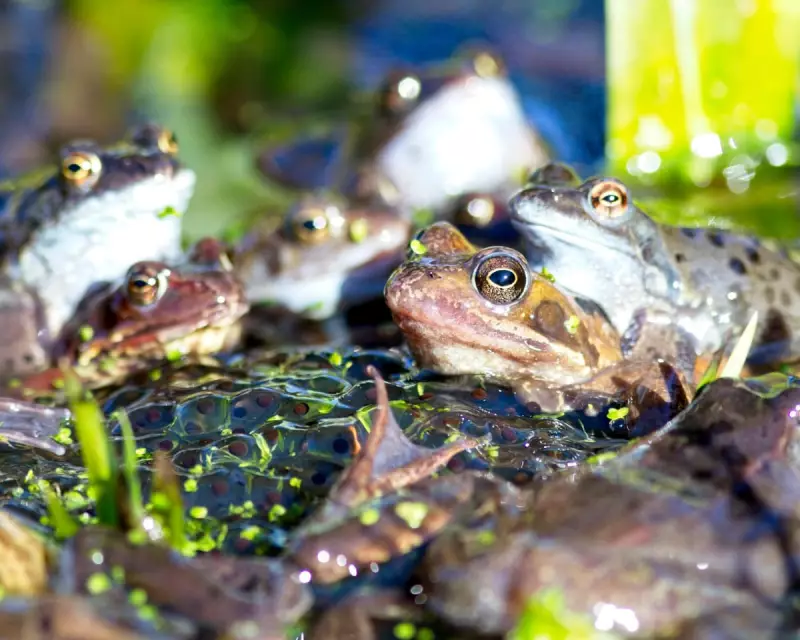
A quiet revolution is taking root in back gardens across Britain, as homeowners rediscover the vital role of the humble garden pond. Once a common feature, these small freshwater oases are making a significant comeback, offering a lifeline to the nation's struggling wildlife.
The Plight of Freshwater Habitats
For decades, the UK's natural freshwater habitats have faced relentless decline. An estimated 50% of ponds vanished from the British landscape during the 20th century, victims of agricultural intensification, urban development, and changing garden trends. This loss has had a catastrophic impact on species that depend on these environments.
Common frogs, smooth newts, and dazzling dragonflies are among the creatures that have seen their populations plummet. These garden ponds are not just decorative; they function as essential breeding grounds, feeding sites, and shelters for a complex web of life. Their disappearance has fragmented habitats, leaving wildlife with fewer places to live and thrive.
A National Revival is Underway
Now, a powerful counter-movement is gaining momentum. Driven by growing environmental awareness and initiatives from conservation charities, Britons are once again digging in. The trend marks a shift from sterile, manicured lawns towards gardens that actively support nature.
The beauty of this revival lies in its simplicity and accessibility. You don't need a vast estate to make a difference. A modest pond, created from a sunken container or a carefully lined hole, can become a biodiversity hotspot. The key is to incorporate native plants, provide shallow edges for creature access, and avoid introducing invasive species or fish that prey on tadpoles.
Organisations like the Freshwater Habitats Trust have been instrumental, providing practical guidance and championing the cause. Their research underscores that a network of small, clean-water ponds can be more effective for conservation than a few large, polluted ones.
Transforming Gardens into Sanctuaries
The benefits of a garden pond extend far beyond its immediate banks. It creates a focal point for a wider wildlife-friendly garden, attracting birds, hedgehogs, and pollinators. Each new pond acts as a stepping stone, connecting green spaces and allowing species to move through urban and suburban areas.
For families, these ponds offer an unparalleled opportunity for education and connection with the natural world, right on their doorstep. Observing the lifecycle of a frog or the darting flight of a damselfly brings ecology lessons vividly to life.
The collective action of thousands of gardeners is building a resilient national network of freshwater habitats. This grassroots effort is a potent form of conservation, proving that individual actions, when multiplied, can combat biodiversity loss. The message is clear: by welcoming a pond, you're not just landscaping your garden; you're helping to revive Britain's natural heritage.