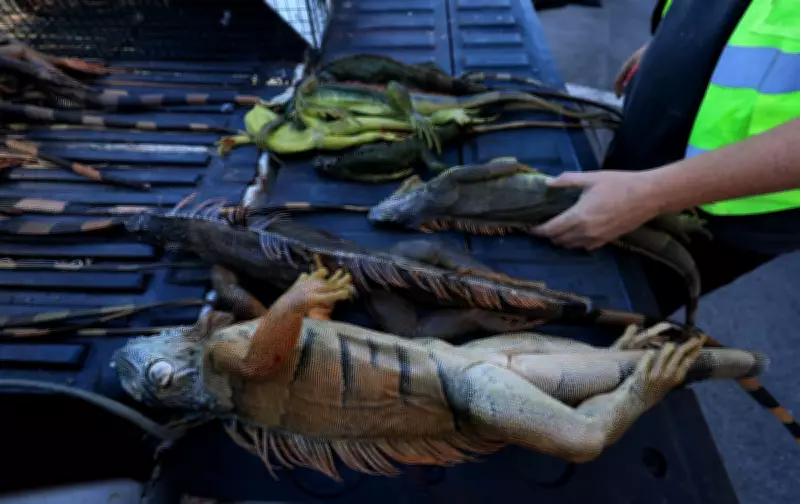
In a startling development from the Sunshine State, Florida has witnessed a surge in frozen iguanas being euthanised following an unexpected and severe cold snap. This unusual wildlife event has sparked widespread discussion among residents, environmental experts, and animal welfare advocates, highlighting the complex challenges of managing invasive species in changing climatic conditions.
Unprecedented Cold Weather Impacts Iguana Population
The recent cold snap in Florida, characterised by temperatures plummeting well below seasonal averages, has had a dramatic effect on the state's non-native iguana population. These reptiles, which are cold-blooded and native to tropical regions, become immobilised and fall from trees when exposed to freezing conditions, a phenomenon that has become increasingly common during winter months in recent years.
Euthanasia Protocols and Animal Welfare Concerns
Wildlife authorities and animal control services in Florida have implemented euthanasia protocols for the frozen iguanas, citing concerns over their welfare and the potential risks they pose as invasive species. When iguanas are found in a frozen state, they are often unable to recover fully, leading to suffering or death. Euthanasia is deemed a humane option to prevent prolonged distress, though it has raised ethical questions among some animal rights groups.

Experts emphasise that while the sight of frozen iguanas may seem alarming, it is a natural response to cold weather for these animals. However, the decision to euthanise them is based on assessments of their health and the likelihood of survival, with many iguanas succumbing to hypothermia or related injuries if left untreated.
Invasive Species Management in Florida
Florida has long grappled with invasive species, and iguanas are among the most prominent. Originally introduced through the pet trade, they have established thriving populations in the wild, causing ecological damage by outcompeting native species and damaging infrastructure. The cold snap presents a unique, albeit tragic, opportunity to control their numbers, but it also underscores the need for more sustainable management strategies.
Public Reaction and Safety Advice
Residents in affected areas have reported iguanas falling from trees and lying motionless on the ground, leading to calls for caution. Authorities advise the public not to handle frozen iguanas, as they can regain mobility and bite when temperatures rise. Instead, people are encouraged to contact local wildlife services for safe removal and euthanasia if necessary.
This event serves as a reminder of the broader implications of climate change and invasive species dynamics. As Florida experiences more frequent weather extremes, similar incidents may become more common, necessitating ongoing research and adaptive policies to balance animal welfare with environmental protection.